
The Short Report: June 17, 2026

 GOVERNMENT FUNDING & NEWS
Canada’s new AI strategy receives mixed reviews, with calls for more details, clearer timelines, better accountability and focused priorities
The federal government’s new national AI strategy, AI for All, is getting decidedly mixed reviews from business leaders, policy experts, academics, innovation groups and civil society organizations.
The AI for All strategy targets an additional $200 billion of economic growth (a three-percent increase in Canada’s GDP) from AI by 2030, aims to create 250,000 new AI-related jobs over the next five years, and increase AI adoption from just over 12 percent to 60 percent by 2034.
The strategy proposes to establish a $500-million Canadian Tech Growth Fund, to provide growth capital, investment support and occasional federal equity investment in Canadian AI firms.
Ottawa’s strategy also commits to topping up funding for several existing programs, including $50 million for the Canadian AI Safety Institute, another $500 million for the Regional Artificial Intelligence Initiative, and an additional $700 million for the Compute Access Fund.
AI for All also invests $130 million for commercialization programs across the National AI institutes: Vector Institute in Toronto, Mila-Quebec AI Institute in Montreal, and Amii (Alberta Machine Intelligence Institute) in Edmonton.
The strategy is built on six pillars first revealed in the federal government’s spring economic update. These pillars focus on protecting Canadians; empowering Canadians with AI training; increasing AI adoption; building sovereignty; scaling Canadian champions; and helping Canadian companies access global markets.
The strategy also outlines five “priority sectors” to concentrate investment where Canada can “build and hold a global leadership position.” These sectors include health and life sciences, energy and natural resources, transportation, agriculture, and manufacturing and robotics.
Built on extensive national consultations with workers, entrepreneurs, researchers, students, industry and community leaders, Canada’s AI for All Strategy is anchored in three guiding principles: building trust, creating opportunities and reinforcing Canadian sovereignty.
To build trust, the government said it will:
- Protect Canadians from the risks and harms of AI by modernizing legislative frameworks for the digital age that prioritize trust and safety and reduce the risks of AI. This includes:
- Strengthening protections for Canadians’ personal information, including against harmful practices such as deepfakes and surveillance pricing, and introducing an online safety regime to better protect social media and chatbot users.
- Improving AI transparency so Canadians are better equipped to use AI safely and responsibly, while expanding the capabilities of the Canadian AI Safety Institute to conduct transparent evaluations of AI models.
However, the strategy offers few details on privacy protections or how the sector will be regulated. Instead, the document reiterates Ottawa’s intent to introduce new privacy and online safety laws – including updates to Canada’s 40-year old Privacy Act – which have yet to be tabled.
- Strengthen multinational partnerships with trusted allies in areas such as research, talent, compute and procurement.
- Through the newly formed Sovereign Technology Alliance, Canada will attract foreign investment, showcase Canadian talent abroad, and open new markets for Canadian firms.
- Canada will leverage 12 international partnerships already signed to expand Canada’s AI industry, attract high-paying careers and advance innovation.
To create opportunity, the government will:
- Establish a National AI Literacy Initiative that will offer entry-level AI training for all Canadians.
- As part of this effort, AI literacy will reach one million entry-level postsecondary students and train more than 3,000 educators with AI learning kits in their classrooms. Free, accessible AI learning will include practical courses and sector-relevant modules.
- Provide access to trusted AI agents for every postsecondary student – from the arts and commerce to science, technology, engineering and mathematics (STEM), and medicine.
- Provide up to 90,000 AI-related jobs and work placement opportunities for young Canadians, helping them gain experience and thrive in the AI economy.
- Help small and medium-sized businesses adopt AI to support workers, raise productivity, and drive breakthroughs in priority sectors such as health, energy, transportation, agriculture, manufacturing, robotics and government services.
- Launch the first AI Missions Program, with a flagship health mission to accelerate the adoption of AI in diagnostics, patient care and system efficiency, delivering faster, better care for Canadians while strengthening Canada’s life sciences and health innovation ecosystem.
- Provide training and upskilling opportunities for workers from mid-career professionals to frontline workers so they can adapt to AI-enabled workplaces and access new opportunities. This includes employer-led training on AI-enhancing skills.
To reinforce sovereignty, the government will:
- Build the foundations of sovereign Canadian AI: compute, cloud, connectivity, data and talent so Canadian researchers, businesses and public institutions can build and adopt AI on Canadian terms.
- Build a world-leading public AI supercomputer and invest in sovereign compute and cloud infrastructure, with a focus on high-performance computing that is sustainable and aligned with Canada’s clean energy expansion, robust environmental standards, and tangible benefits for local communities.
- Support globally competitive Canadian champions by improving access to growth capital, using government procurement as a strategic anchor customer, and helping Canadian AI companies access compute, commercialization resources, and intellectual property protections.
- Expand Canada’s AI talent base through investments in the Canadian Institute for Advanced Research (CIFAR) AI Chairs program (expanding the CIFAR AI Chairs program from 143 to nearly 200 researchers), and accelerated entry pathways for highly skilled workers through the Global Talent Stream.
The AI for All strategy’s specific health and life sciences initiatives include:
- $200 million to launch a new AI Missions Program to advance targeted, high-impact projects that are focused on improving health outcomes for Canadians.
- $100 million to launch the Health Sector Data Space, in partnership with the Canadian Institute for Health Information, to link secure, private and standardized datasets to strengthen clinical trials, health services research and performance measurements.
- $100 million to expand VITAL, Canada’s largest hospital data network for research and innovation, in five additional provinces, supporting its ability to leverage clinical data from hospitals and enable health data innovation that reduces mortality rates and accelerates critical care for Canadians.
The AI for ALL strategy said the government will support creating the associated compute capacity by crowding in private capital to build large‑scale AI data centres that can scale to at least 100 megawatts (MW).
The partnerships currently being finalized will provide 850 MW of compute capacity by 2030, according to the strategy, with potential to scale capacity of up to 2.3 gigawatts.
Laurent Carbonneau, vice-president of policy and advocacy at the Council of Canadian Innovators (CCI), which participated as an expert contributor to the federal AI Strategy Task Force, said Canada needs policies that help innovators build, scale and compete globally.
“AI for All contains some promising measures, but it falls short of providing a clear and focused plan to achieve that objective,” he said in a statement.
Carbonneau said is encouraged by commitments that reflect priorities that CCI has consistently advocated for, including strengthening Canada's sovereign AI infrastructure, expanding access to capital, improving AI adoption among businesses, attracting and developing top talent, and using government procurement strategically to support domestic innovation.
Government acting as an anchor customer for Canadian innovators has the potential to help promising firms scale and commercialize new technologies here at home, he said.
"However, successful industrial strategies require clear priorities, disciplined execution and a singular focus on outcomes,” Carbonneau noted.
While AI for All contains a number of promising ideas, it spreads its priorities broadly and does not yet provide a sufficiently clear roadmap for helping Canadian AI companies grow into globally competitive firms that create and retain economic value in Canada, he said.
"In today's economy, growth, prosperity, and national security are tied to a country's ability not only to develop new technologies, but to capture the value they create,” he added.
“For this strategy to succeed, the federal government must stay focused on one objective: helping Canadian AI companies scale globally and ensuring Canada captures more of the value created by this technological transition.”
Canada's AI strategy should be measured by whether it helps build globally competitive Canadian companies, strengthens the country’s economic sovereignty, and ensures Canadians benefit from the innovation taking place here, Carbonneau said.
“Because if Canada is not leading in the development of AI policies that drive growth and prosperity, we will find ourselves living with AI policy decisions made by countries that are,” he said.
Jim Balsillie, chair of CCI and former co-CEO of Research in Motion, told The Globe and Mail: “This strategy reads like an extensive Christmas list of money and aspiration without any reconsideration of why the same strategies over the last decade did not work . . . Hype, spray and pray is not a strategy. Focus, expertise, coherence and leverage are missing.”
U15 Canada welcomed the recognition of the essential role of research and talent development in Canada’s new AI strategy, including the creation of additional Canada CIFAR AI Chairs.
“It is good to see the vital role of research and talent development reflected in the federal government’s new AI strategy, Robert Asselin, CEO of U15 Canada, said in a statement.
Universities Canada said: “The strategy takes important steps to strengthen Canada’s AI talent pipeline by expanding AI literacy, improving access to trusted AI tools for postsecondary students, creating pathways for up to 90,000 students and young Canadians to gain practical experience, supporting workforce upskilling and investing in talent and research excellence,”
The Canadian Chamber of Commerce welcomed the strategy’s target to increase AI business adoption from 12 percent to 60 percent by 2034, and the further investments in AI literacy.
However, union leaders said the strategy lacks measures to protect workers whose jobs might be negatively impacted by AI.
The strategy “fails to address many of the serious problems associated with AI. Unless those problems are addressed, it is likely that AI will be used in ways that harm Canadians,” said Bert Blundon, president of the National Union of Public and General Employees.
“The strong legislation and regulation needed to protect people and the environment from the potential abuses of AI are missing from the federal government’s strategy,” Blundon said in a statement.
The strategy mentions plans for legislation in several areas, but there are no timelines for when legislation will be introduced and no details of what will be in the legislation, he said. “Given the delays we’ve already seen, this isn’t good enough.”
The strategy’s growth targets are much clearer than its accountability measures, said Simon Blanchette, lecturer at the Desautels Faculty of Management at McGill University.
“Canada now has numerical goals for adoption, jobs and GDP growth, but fewer concrete commitments for measuring displacement, auditing workplace AI, protecting affected workers, governing data or reporting the environmental footprint of the infrastructure needed to power it,” Blanchette wrote in a commentary in The Conversation.
The strategy provides little detail on how water and land use and other environmental costs of growing commercial data centres to 5.5 gigawatts of computer power over the next four next four years will be measured or managed, Blanchette noted.
“The gap in the strategy’s development process is telling,” he said. Canada’s National Observer reported that Environment and Climate Change Canada was not invited to a key strategy planning meeting attended by other departments. Canada’s National Observer also reported earlier this year that Solomon met with energy and mining companies about AI environmental impacts, but not with environmental organizations.
BetaKit and The Walrus separately compiled comments on the strategy from business leaders, policy experts, academics and civil society. The compiled comments, including some added by Research Money, included:
“The focus on AI literacy, skills development and support for business adoption are all positive steps that can help Canadians participate more fully in the AI economy while strengthening Canada’s competitiveness.”
– Melissa Robertson, Chartered Professional Accountants of Canada’s AI and tech lead.
“This strategy takes it on faith that AI adoption will lead to productivity gains and economic prosperity, but it’s not totally clear what the economic value capture strategy is.”
“This document seems to be mostly interested in adoption, and then worrying about the tough stuff later.”
– Vass Bednar, managing director of the Canadian Shield Institute.
“It is difficult to imagine how such a regulatory strategy will inspire greater trust in most Canadians.”
– Blair Attard-Frost, Canada CIFAR AI Chair; Fellow, Alberta Machine Intelligence Institute; Assistant Professor, Department of Political Science, University of Alberta.
“A federal strategy that includes a stronger role for government as an early customer, improved access to compute, targeted growth capital, and a renewed focus on talent are all important pieces of the scaleup equation. These are the conditions founders tell us they need.”
– Grace Lee Reynolds, CEO of MaRS Discovery District.
“Done right, these measures [on closing the financing gap for growth-stage firms] can crowd in domestic private investment and help more of Canada’s best companies scale and succeed from here, while keeping more wealth and prosperity at home.”
– Ben Bergen, CEO of the Canadian Venture Capital & Private Equity Association.
“We welcome a stronger focus on widespread adoption and AI literacy to ensure individual Canadians – at school, at work and at home – are empowered to build the competencies to navigate this transformational technology safely and with confidence.”
– Susan Watts-Rynard, CEO of Polytechnics Canada.
“Canada’s national AI strategy begins by recognizing that Canadians don’t trust AI . . . Yet despite identifying this deficit, the government has failed to actually ask how AI systems should be governed, designed, or constrained. Instead, it largely asks how Canadians can be taught to use them.”
“When you look for concrete measures aimed at protecting young people, the strategy offers remarkably little beyond literacy initiatives and a supposed promise to put forth legislation to address online harms.”
– Helen Hayes, PhD Candidate, McGill University, fellow at the Morris J. Wosk Centre for Dialogue at Simon Fraser University, and Mila AI policy fellow.
“The strategy needed to protect the project of democracy in an age of AI boosterism. It did not.”
– Fenwick McKelvey, Professor in Information and Communication Technology Policy, Department of Communication Studies, Concordia University.
“This strategy leaves people on the receiving end of AI systems unprotected.”
– Maroussia Lévesque, SJD Candidate in AI Governance, Harvard Law School; Former Senior Policy Analyst, Global Affairs Canada.
“While the strategy mentions environmental concerns, the strategy falls short of proposing an actual vision to this matter – except for sustainable data centres. We would have hoped for more leadership from the federal government on this file.”
– Florian Martin Bariteau, professor at the University of Ottawa and director of the AI + Society Initiative.
“There is a lot in the document about job creation, but nothing on legislative measures to address job loss, or increase income protections for workers who are impacted by AI.
– Sarah Ryan, senior research officer at the Canadian Union of Public Employees, who was part of the government’s AI Strategy Task Force.
“We are particularly concerned about who is regulating how employers make decisions about AI and workers, and how much information workers have about AI technology being used in their workplaces.”
– Bea Bruske, president of the Canadian Labour Congress.
“The AI strategy acknowledges women’s exposure to disruption, but treats the issue largely as one of adoption and upskilling. It says much less about the workplace penalties, bias, surveillance, evaluation practices and informal norms that may shape who can safely use AI.”
– Simon Blanchette, Lecturere, Desautels Faculty of Management, McGill University. Prime Minister of Canada, BetaKit, The Walrus
********************************************************************************************************************************
The Government of Canada introduced Bill C-34, the Safe Social Media Act, which includes an age restriction preventing children under the age of 16 from having accounts on social media services. The restriction provides a pathway for social media services to seek an exemption if they can demonstrate that they have put in place sufficient safeguards for children. The proposed legislation will establish an independent Digital Safety Commission to enforce regulations, ensure compliance, make online services safer for children and support victims of online harms. The regulator would have the power to levy fines of up to $10 million or three percent of global revenue against non-compliant companies. Bill C-34’s new requirements will also put children’s safety first when products and features are designed, including measures to reduce children’s exposure to certain content and high-risk interactions. Regulated services will be required to identify, mitigate and address the risks on their platforms. The proposed legislation will create a legislative and regulatory framework through a new Digital Safety Act for social media services, including user-uploaded livestreaming and adult content services, and for certain AI chatbot services. The framework will operate through three core duties:
- The Duty to Protect Children will apply to all regulated services under the Act.
Social media services, including livestreaming and user-uploaded adult content services, will have two additional duties:
- The Duty to Act Responsibly will require services to assess and mitigate risks associated with exposure to seven categories of harmful content, apply labels to synthetically generated content, and provide clear and accessible ways for users to flag harmful content and block other users.
- The Duty to Make Certain Content Inaccessible will require the rapid removal of content that sexually victimizes a child or revictimizes a survivor; or intimate content communicated without consent, including deepfake sexual images.
AI chatbot services will also be subject to a Duty to Act Responsibly that is specifically tailored to their services. They will be required to:
- mitigate the risk of the chatbot communicating harmful content.
- be transparent in terms of their reporting thresholds in crisis situations, such as when a user intends to harm themselves or another person.
- mitigate the risk that the chatbot will engage in harmful behaviour.
In 2019, one in four youth (25 percent) aged 12 to 17 reported experiencing cyberbullying in the previous year, the government said. Police services across Canada reported 16,905 incidents of online child sexual exploitation in 2024, a 347-percent rise since 2014. Canadian Heritage
****************************************************************************************************************************
Ottawa announces long-awaited reforms to Canada’s privacy laws, including a proposed new Canadian Digital Safety Commission
The Government of Canada tabled in the House of Commons Bill C-36, the Protecting Privacy and Consumer Data Act (PPCDA), to modernize Canada’s private-sector privacy law for the digital age.
This proposed legislation is a cornerstone of the recently launched Canada’s National Artificial Intelligence Strategy: AI for All.
The PPCDA will implement new requirements to:
- recognize privacy as a fundamental right of all Canadians.
- set higher standards for organizations when they manage children’s information.
- require meaningful consent for the use of personal information and plain-language explanations for how personal information is handled.
- ensure that organizations are transparent about their use of automated decision making for significant decisions about individuals.
- provide Canadians with the right to request deletion of their personal information to better protect their privacy and reputation.
- ensure that personal information is used responsibly, transparently and for appropriate purposes, and prevent unfair or inappropriate uses such as surveillance pricing
- support data mobility, so Canadians can move their personal information securely between organizations where a framework applies.
- enhance Canada’s digital sovereignty by requiring robust privacy safeguards and risk assessments before personal information is transferred outside Canada.
- establish strong enforcement mechanisms, including significant penalties for non-compliance.
The PPCDA will be administered by the new arm’s-length Digital Safety and Data Protection Commission of Canada, ensuring appropriate regulatory oversight and effective enforcement.
The Commission will also have responsibility for the recently announced Digital Safety Act. This dual mandate will support greater coherence and consistency in regulating digital and data-driven technologies, including for complex and cross-cutting issues like age assurance and protecting children’s safety online, the government said.
The Commission will have the ability to issue binding orders to make sure organizations comply with the law, including meaningful consequences for non-compliant organizations, with penalties of up to $10 million or three percent of global revenue, whichever is greater, and fines of up to $25 million or five percent of global revenue, whichever is greater, for the most serious offences.
Michael Geist, Canada Research Chair in internet and e-commerce law at the University of Ottawa, posted on X that “there is no precedent in Canada for this kind of digital super-regulator.”
Bill C-36 removes Canada’s Privacy Commissioner’s limited powers over private-sector privacy law after 25+ years, even though the Privacy Commissioner has argued for more powers in this area for years, he said.
Other countries tend to take the approach of creating an independent body solely focused on data protection rather than such a broad mandate, Geist noted.
Privacy Commissioner Phillippe Dufresne said in a statement that he’s pleased to see many of his recommendations reflected in Bill C-36, including proposals to recognize privacy as a fundamental right, an explicit recognition of the best interests of children, requirements to conduct privacy impact assessments, and stronger enforcement powers.
The federal government said the PPCDA will also foster innovation by:
- supporting responsible data use for innovation and socially beneficial purposes where privacy risks are explicitly assessed, addressed and effectively mitigated.
- supporting a proportionate approach to compliance, included by ensuring that the regulator takes into account the needs and challenges faced by small and medium-sized businesses.
- providing clear rules for the use of privacy-enhancing technologies such as de-identification and anonymization, which will facilitate their use for the research and development of innovative goods and services.
- providing for co-regulatory mechanisms such as codes of practice and certification regimes to facilitate compliance with the law.
The government said the PPCDA would also promote Canada's data and digital sovereignty by:
- ensuring that organizations put in place appropriate security safeguards for personal information, and take into account potential privacy implications when using service providers.
- requiring that organizations assess and mitigate any privacy risks before sending personal information outside of Canada.
Bill C-36 will still need to pass first, second and third reading and receive royal assent, before becoming law. Innovation, Science and Economic Development Canada
*****************************************************************************************************************************
The U.S. government’s directive that Anthropic prevent foreign nationals from accessing its latest artificial intelligence models underscores the risks that Canada and other countries face without alternatives to American tech giants, according to experts. Anthropic said the U.S. government issued an export control directive to suspend access to its Fable 5 and Mythos 5 models for all foreign nationals, even if they are employees of the company. The directive for Fable and Mythos, which are the San Francisco-based AI giant’s most capable models, cited national security concerns, according to Anthropic. The company said the matter is a “misunderstanding” and that it is working to resolve the issue. But until then, it has cut off access to these models for all customers, including American users, to ensure compliance. Canada and Europe have been concerned in recent years about overreliance on U.S. technology companies, especially given the fraught relationship under President Donald Trump. Control over AI and the computer chips that power these applications allows the U.S. to potentially exert leverage over other nations by restricting access. “It’s no longer, ‘theoretically this could perceivably happen,’” said Martin Kon, former president of Cohere Inc. “Nobody wants to wake up one morning and find that the expensive AI tech they’ve built into their workflows suddenly doesn’t work.” John Ruffolo, founder and managing partner at Maverix Equity, and co-founder of Council of Canadian Innovators, noted in a LinkedIn post that NATO’s military “operational tail” now runs largely on three U.S. hyperscalers, “infrastructure that can be turned off by a single – and increasingly unreliable – sovereign actor.” If a foreign government can switch off the AI, the cloud, the chips or the software your military and economy depend on, your physical security is on loan, Ruffolo said. The lever that closes the gap is standards and interoperability: the ability to move your workloads, swap providers and refuse lock-in, he said. “That’s the moment IP strategy, open standards and intangible-asset policy stop being legal housekeeping and become national security,” he added. “Control the standard, and you control your own destiny. Depend on someone else’s, and you’ve already handed them the switch.” The Globe and Mail
Elon Musk’s XCorp. and xAI violated Canada’s federal private-sector privacy law by launching the Grok AI-powered image-generation tool without implementing appropriate safeguards from the outset, said the Privacy Commissioner of Canada. This lack of protections allowed users to create and share sexualized deepfakes, including many targeting women and children. According to researchers, Grok was at one point generating well over 6,000 sexualized images per hour. “We know that sexualized deepfakes can have devastating impacts on victims,” Commissioner Phillippe Dufresne said. “Canadians – and especially our children – must be able to safely navigate online spaces.” Since the Grok issue came to public attention, and during the investigation, X Corp. and xAI have implemented safeguards to reduce the risk that the tool will be misused to produce sexualized deepfakes, as well as mechanisms to review and remove this harmful content, Dufresne said. However, he said during a news conference that xAI is still violating Canada’s privacy laws – and the privacy commissioner’s office doesn’t have the power to force X to comply. In response to recommendations from his Office, the companies have committed to implement a number of additional measures. These include enhancing their formal processes for anticipating and mitigating privacy issues associated with image-generation tools and other novel products, and reporting to his Office on a recurring basis to explain and demonstrate the effectiveness of their safeguards. “While these new remedial measures and commitments are encouraging and an important outcome for Canadians, my Office will continue to monitor the implementation of the companies’ commitments to ensure that the serious issues that we found are fully addressed. Importantly, these measures should have been put in place at the outset, not after the fact and after the harm had occurred,” Dufresne said. He said the investigation demonstrates why Canada needs modernized federal privacy laws that will better support the development of trustworthy, privacy-protective technologies. Office of the Privacy Commissioner of Canada
Correctional Service Canada, which manages federal penitentiaries and institutions, awarded Ireland-headquartered Accenture a $123,142 contract in February for a pilot project using AI to evaluate a “minimum viable product designed to accelerate the development” of offender criminal profiles, according to a parliamentary filing. The work includes documenting the current process for developing the criminal profile as part of the broader offender intake process, identifying opportunities to apply technology to this workflow, and developing a functional proof of concept demonstrating how technologies such as AI could support Correctional Service of Canada’s staff in carrying out this work. Correctional Service of Canada also utilizes the cloud environment provided by Microsoft Azure to enable the use of Microsoft Copilot Chat, Microsoft M365 Copilot (with access limited to 50 licences), and Correctional Service of Canada’s internal generative artificial intelligence solution, “CorrChat.” These services are procured through a contract held by Shared Services Canada under the Government of Canada Cloud Framework Agreement. Parliamentary filing
Prime Minister Mark Carney launched Canada’s first-ever National Food Security Strategy, Backed by more than $3 billion in investments over 10 years. Carney said the strategy will break open the market for independent retailers, boost domestic food production and build a stronger, more independent and more affordable food system for all Canadians.
The strategy has four objectives:
- Spur grocery store competition and create more choice for Canadians.
- Invest $1 billion in food infrastructure to build new and expanded food terminals and hubs – helping independent grocers buy and move competitively priced products without relying on large retail chains.
- Provide the Competition Bureau and Competition Tribunal with nearly $130 million to investigate, prevent, and combat anti-competitive business practices.
- Boost domestic food production across Canada.
- Launch a new $1-billion Agri-food Project Finance Fund through Farm Credit Canada to provide seed capital financing for businesses to expand food processing capacity.
- Establish a $150-million Food Security Fund to help small and medium-sized businesses upgrade their equipment to grow, produce, and process more food in Canada.
- Create a $100-million Collaborative Food Innovation Fund to help producers expand agri-food processing.
- Grow fruits and vegetables year-round,
- Invest $750 million to significantly expand year-round Canadian production of fruits and vegetables, including through greenhouses, vertical farms, and other enclosed growing spaces. Half of Canada’s food imports come from the United States.
- Cut red tape across the agricultural supply chain,
- Modernize key regulations; speed up approvals for seeds, feed, fertilizers and veterinary products; and reduce backlogs that slow down the system to reduce the regulatory burden on farmers and producers.
- Help provincially licensed food businesses meet federal requirements so that a Canadian product made in one province or territory can more easily reach a shelf in another. Prime Minister of Canada
The Government of Canada announced an extension, to July 22, 2026, of the public engagement period on proposed reforms aimed at simplifying and accelerating Canada’s regulatory processes and ensure federal reviews and decision-making timelines take no longer than one year, once all information from the project proponent has been received. Ottawa said the proposed reforms will enable Canada to build major projects at speed and at scale and improve the efficiency of our supply chains, while maintaining robust environmental protections and upholding the rights of Indigenous Peoples. The extension provides additional flexibility for stakeholders who have requested more time to contribute, helping to ensure all perspectives are heard and meaningfully considered, the government said. Following the conclusion of the public engagement period, the government intends to introduce legislation in the following sitting of Parliament, scheduled for this fall. Canadians, Indigenous Peoples, provinces and territories, industry, labour organizations, environmental organizations and other interested stakeholders are invited to provide their views on the discussion papers:
- Getting Major Projects Built in Canada.
- Strengthening One Canadian Economy through Trade and Transportation.
In a statement, Ecojustice described the proposed changes as “the most aggressive gutting of environmental laws we have ever seen.” Muhannad Malas, a director at Ecojustice, said the group is pleased that the government will “slow down and properly listen to the serious concerns that Canadians have voiced.” Govt. of Canada
Export Development Canada will provide up to US$475 million in “debtor-in-possession” (DIP) financing to keep Baffinland Iron Mines Corporation’s Mary River mine on Baffin Island, Nunavut operating. The company will have immediate access to US$110 million. The financing was approved by the Ontario Superior Court of Justice. The court will hold a hearing on June 30, 2026 to decide whether to allow Baffinland to keep the DIP financing in place, or to order the company to replace it another DIP financing offered by other DIP lenders. Baffinland said it will use the initial draws under the DIP financing to fund critical sea-lift expenditures, fuel purchases, restructuring costs and other “normal course expenditures” to ensure no disruptions occur to its operations at the Mary River Mine or Milne Port. The upcoming 2026 shipping season to northern Baffin Island will go ahead as planned. Baffinland is dealing with a cash crunch, broken debt obligations and liabilities that exceed its assets by US$761 million. Baffinland’s filings say it spent more than US$1 billion on a plan to build a northbound railway and increase its capacity to ship iron out, which ultimately didn’t get federal regulatory approval. Baffinland
The Government of Canada and the Government of Québec announced a total shared government contribution of more than $200 million to the Université de Montréal, enabling university to move forward with Phase II of its Science Complex. This investment follows on the heels of the Canada-Quebec agreement and the Build Communities Strong Fund, which supports major infrastructure projects and the construction of university facilities. Specifically, this government funding, will support the construction of two buildings adjacent to the existing Science Complex facility. These new spaces will bring together, in a single location, the natural sciences (already housed in the existing building), data science and the Courtois Institute, whose personnel and activities were previously spread across multiple sites. Phase II of the Université de Montréal Science Complex is part of a strategic initiative to position Quebec and Canada at the forefront of the discovery and design of advanced materials. The project aims to integrate the latest advances in computing and artificial intelligence with expertise in chemistry, physics and materials science to explore the fundamental and functional properties of matter. The project is expected to accommodate nearly 2,500 undergraduate and graduate students, as well as approximately 300 staff members, professors and researchers, within the university community already established at the MIL Campus. Housing, Infrastructure and Communities Canada
Consumer protection agencies across Canada are sounding the alarm after the federal government cut funding programs that delivered millions toward safeguarding consumer rights. Innovation, Science and Economic Development Canada (ISED) announced last month it was shutting down the Office of Consumer Affairs and scrapping the Canadian Consumer Protection Initiative (CCPI). The move is part of a suite of federal cost-cutting measures that aim to eliminate billions in annual government spending by the end of the decade. The CCPI awarded more than $7 million in its latest funding period to projects investigating everything from unscrupulous sales tactics by car dealers to aggressive tipping practices and elder fraud. Any initiatives not wrapped up by 2027 are not eligible for further funding. In an open letter to ISED shared with The Globe and Mail, 15 national and provincial consumer protection groups and civil society organizations, including the Québec Bar Association, called the cancellations “catastrophic” and “incomprehensible,” adding that they anticipate some organizations will have to close their doors or significantly reduce their work. The Globe and Mail
Unions representing federal food inspectors, scientists and regulatory professionals are warning Bill C-30 would allow the federal government to exempt companies, products and activities from food safety laws and regulations for up to three years with no public oversight or parliamentary debate. Division 7 of the Bill is proposing two amendments to the Canadian Food Inspection Agency Act. The first set of amendments would establish an explicit mandate section, confirming the Canadian Food Inspection Agency (CFIA) is responsible for:
- protecting food safety, animal, plant, and human health, and the environment.
- supporting regulatory compliance.
- promoting consumer protection and public awareness activities.
- facilitating trade and commerce.
- considering economic and food security.
The second set of amendments, which has prompted the unions’ concerns, would give the government the right to “exempt persons, things or activities, or classes of persons, things or activities,” from the Act if the exemption “is not likely to pose an unreasonable risk to food safety, animal health, plant health, human health or the environment and is necessary to protect national economic security, regional economic security or national food security.” The vague language with no clear definition of terms like “national economic security” or how they would be balanced against science-based risk is concerning to the Agriculture Union and the Professional Institute of the Public Service of Canada (PIPSC). “This is a giant, dangerous loophole being driven through the heart of Canada’s food safety system,” said Milton Dyck, national president of the Agriculture Union, which represents 4,000 CFIA employees. “Food safety laws exist to protect Canadians – not to be suspended behind closed doors by Cabinet order.” In their written submission to the House of Commons Standing Committee on Finance and the Senate Standing Committee on National Finance regarding Bill C-30, PIPSC, which represents approx. 85,000 public sector professionals including CFIA employees, warned the changes could undermine the independence of food inspectors, veterinarians and other science-based professionals, thus diluting food safety enforcement work, jeopardizing trade and compromising the reliability of Canadian products. Food in Canada
Natural Resources Canada (NRCan) announced nearly $130 million in federal funding for 56 projects across Canada to help advance the forest sector’s transformation. These projects will support the development of new low-carbon wood technologies, expand the use of mass timber in construction, support Indigenous participation and forest-sector businesses, increase manufacturers’ capacity to add value to wood products and help diversify export markets. NRCan
Natural Resources Canada announced a Forest Sector Action Plan, with key commitments to drive the transformation of the forest sector in collaboration with provinces, territories, Indigenous Peoples and other key partners. The Action Plan is informed by the Canadian Forest Sector Transformation Task Force’s recommendations and builds on the extensive work it completed during its 90‑day mandate. The plan focuses on four priority areas to position Canada’s forest sector as a leading global supplier of both traditional and advanced forest products:
- Securing a competitive and predictable supply of wood fibre.
- Making the investments required for innovation and modernization across the sector.
- Expanding domestic and international market opportunities.
- Supporting workers and communities through skills development and transition measures.
Federal, provincial and territorial governments, during this year’s meeting of the Canadian Council of Forest Ministers, committed to collaborate over the coming months to align policies and investments, reduce barriers and accelerate progress toward transformation. This work will come together by the end of 2026 in a formal Forest Sector Strategy for Canada. NRCan
The Canadian Security Intelligence Service (CSIS) issued an alert with its counterparts in the Five Eyes Alliance about agents working for China posting fake employment ads for defence and foreign policy analysts. Along with CSIS, the Five Eyes Alliance agencies are the Australia Security Intelligence Organization, the New Zealand Intelligence Community, the United Kingdom’s MI5, and the United States of America’s Federal Bureau of Investigation. The agencies said that when people with access to government information apply, the recruiters pressure applicants for valuable secrets. Targets might be asked for information in what seem to be virtual job interviews, through writing “trial” reports in the fake application process, and even on an ongoing basis in what could seem like legitimate regular freelance gigs – all run through common platforms such as LinkedIn and PayPal. Such schemes are the mirror image of ones reportedly run by North Korean intelligence, whose operatives seek remote-work jobs (using AI tools to be more convincing applicants) and then make hard currency while siphoning important data from their employers. Even a small piece of information can be collected and combined with more sensitive reporting to undermine Canada’s interests, CSIS said. CSIS
Federal Health Minister Marjorie Michel said the government is withholding $50 million in federal funds from Canada Health Infoway, the organization responsible for the $300-million failed PrescribeIT program, until it addresses concerns about governance. Separately, the chair of the House of Commons health committee wrote to Canada Health Infoway to urge it to turn over documents to a parliamentary probe, saying it could otherwise potentially be found in contempt of Parliament. Canada Health Infoway is a government-funded non-profit that runs some federal digital health programs. It launched PrescribeIT in 2017 as part of “axe the fax” initiatives to replace fax machines with digital alternatives. But the program was shut down in most of the country last month because fewer than five percent of prescriptions flowed through it. The organization’s board dismissed its long-time chief executive officer in late April after a disastrous committee hearing. Michel’s office said the minister has not yet signed off on the contribution agreements to send the $50 million funds and that they represent Canada Health Infoway’s entire federal funding for this year. Canada Health Infoway has also been working on setting national standards for electronic health records. The Globe and Mail
The Government of Canada will direct the Canadian Radio-television and Telecommunications Commission (CRTC) to revisit a recent decision to triple the funds that foreign streaming services like Netflix and Disney must contribute to Canadian content. The Heritage Department said in a statement CRTC’s new requirements would "impose costs" on streamers "which could ultimately fall on Canadian consumers through higher prices." The government also said it is investing $600 million to "provide stability and immediate support to Canada's audio and audiovisual sectors and to keep our culture accessible and affordable for all Canadians." The Online Streaming Act, which passed in 2023 under the former Trudeau government, enabled the CRTC to order all streaming companies with at least $25 million in annual Canadian revenue to direct a portion of that toward supporting the creation of Canadian content including movies, television and local news. The CRTC initially set that base contribution at five percent of a company's Canadian revenue, but then raised it to 15 percent last month. Kevin Desjardins, president of the Canadian Association of Broadcasters, told The Globe and Mail that the position of the organization, which represents private broadcasters, is that foreign streamers should still be required to contribute to supporting Canadian news. Rodrigo Balbontin, associate director for trade, IP and digital technology governance policy at the Washington, D.C.-based Information Technology & Innovation Foundation, said Canada has legitimate reasons to support and protect its creative industries. “But pursuing that goal by singling out foreign digital services for special burdens runs counter to the spirit of CUSMA (Canada-United States-Mexico Agreement), which was designed to promote open, non-discriminatory digital trade across North America,” Balbontin said in a statement. CBC News
Natural Resources Canada (NRCan) announced $15 million in federal funding for the Turning Sun Solar Project in Estevan, Sask. A 100-megawatt, utility-scale, solar photovoltaic facility. It is one of the largest renewable energy projects currently under construction in Canada. Located on the traditional territory of the Ocean Man Nakoda Nation, the project has 10 percent Indigenous ownership and, once operational, will power the equivalent of 25,000 homes. The project will increase renewable energy sovereignty and availability in Saskatchewan while reducing costs for consumers. NRCan
The Government of Québec signed an agreement with Toronto-headquartered AI developer Cohere – which also has an office in Montreal – aimed at informing the government’s strategic thinking on digital sovereignty, the responsible integration of AI in the public service, and digital transformation. The agreement provides for testing of Cohere’s technology, exchanges, workshops and discussions to better understand the possibilities, limitations and conditions for the controlled deployment of AI in public administration. Through this approach, the government hopes to fully leverage the potential of AI to make the state more efficient and improve services offered to Quebecers. Cohere signed a similar exploratory agreement with the federal government last August. Govt. of Québec
A Government of Canada contractor whose comments about alleged procurement failures sparked federal probes has lost its bid to dismiss a defamation lawsuit filed against it by two senior public servants. Last year, career bureaucrats Cameron MacDonald and Antonio Utano sued Botler AI, a Montreal-based software firm, alleging they were defamed by the company and its principals, Ritika Dutt and Amir Morv, after a contracting process with the Canada Border Services Agency (CSBA). According to the two bureaucrats, Dutt and Morv provided testimony to MPs, gave interviews to the media, posted online comments and made allegations in a confidential report to the CBSA suggesting that the two public servants acted corruptly in managing the procurement process. MacDonald, now an assistant deputy minister at Health Canada, and Utano, a director-general at the Canada Revenue Agency, say the allegations are untrue and have imperiled their careers. MacDonald and Utano previously worked together on IT projects at CBSA, including an initiative involving Botler’s software and on the ArriveCan app, a project that faced significant cost overruns and became the focus of several probes by government watchdogs. Botler had asked the court to dismiss the public servants’ defamation claim, asserting that it constituted “strategic litigation against public participation,” more commonly known as a SLAPP suit. In a June 5 decision written by Ontario Superior Court Justice Stanley Kershman, the court was not persuaded that MacDonald and Utano’s defamation claim amounted to a SLAPP suit and awarded the public servants $25,000 in costs. The Globe and Mail
The Government of Québec under Coalition Avenir Québec invested more than $760 million in electric vehicle batter companies that all eventually filed for creditor protection, according to a report by the Auditor General of Quebec. The four companies represented 34 percent of $2.2 billion the government pumped into the EV battery sector between April 2020 and September 2025, the report said. These investments had “no objective, no timeline, no measurement, no indicator, no target,” according to the report. No structured process or program guided the analysis of the 29 selected financial aid files, risking incomplete risk evaluation, according to the report. Many risks, often significant, were inadequately analyzed or documented, which could influence funding decisions, the report said. Some projects aimed to scale production rapidly without sufficient analysis of feasibility or timelines, risking delays and cost overruns. The auditor general recommended formalizing due diligence processes, improving control procedures, and better risk management, including strengthening documentation and implementing risk-tracking tools. Quebec’s EV battery sector has suffered through a North American decline in EV demand, with several high-profile project suspensions and bankruptcies. Auditor General of Quebec
The Canadian Space Agency (CSA) awarded four contracts totalling $2 million to Canadian companies Canadian Strategic Missions Corporation, SpaceDIRT and Volta Space Technologies Inc. for architecture studies aimed at supporting future lunar missions. Over the next 10 months, the companies will assess what is needed to manage regolith (lunar soil) and generate and distribute power on the surface of the Moon, to successfully carry out human and robotic missions on the lunar surface, from operations to technologies. Through these contracts, the CSA aims to identify potential Canadian contributions to lunar exploration, leveraging expertise from across the country. Systems that will be used on the lunar surface must be able to work in tandem with other components, withstand extreme temperatures (from 120 °C to -200 °C during the roughly two-week long lunar night), and deal with radiation exposure, abrasive lunar dust, communications delays and other issues. CSA
The Government of Canada and the Government of Ontario are investing an additional $12 million through the Agricultural Stewardship Initiative to help farmers adopt practical improvements that increase efficiency, reduce costs and build long-term resilience. This initiative provides successful applicants with funding between $6,000 to $90,000 for projects that support soil health, water quality and energy efficiency improvements, including replacing inefficient on-farm technologies, installing geothermal heating and adopting high-efficiency motor, ventilation, heating, cooling, refrigeration, grain drying and lighting systems. This latest investment represents the fourth intake of the program and builds on the $15.5 million already invested to support approximately 1,000 projects across Ontario since 2023. Program details, eligibility requirements and application guidance are available through the OSCIA website. Agriculture and Agri-Food Canada
The Government of Ontario is investing nearly $8 million in 18 innovative projects through the Critical Minerals Innovation Fund (CMIF). This plan will accelerate homegrown technologies, strengthen domestic supply chains and reduce reliance on foreign sources of critical minerals. These projects are expected to leverage $12.3 million in private sector funding to accelerate the research, development and commercialization of made-in-Ontario technologies. Since its launch in 2022, the CMIF has invested in 47 strategic projects that are transforming Ontario’s mining and minerals sector from extraction to processing and advanced manufacturing. Govt. of Ontario
The Government of Alberta announced more than $8 million from the industry-funded Technology Innovation and Emissions Reduction (TIER) program for 16 new projects to reduce methane emissions even further while also creating a new online methane technology tool. Delivered through NGIF Accelerator and Emissions Reduction Alberta (ERA), the technologies will help industry adopt solutions faster to lower costs, attract investment and reduce methane emissions while staying globally competitive. NGIF Accelerator supports early testing and validation, while ERA helps put proven technologies to work in real world operations, supporting every stage of the methane innovation journey. To support Alberta’s leadership on methane reduction, the Government of Canada is investing an additional $19.4 million from the Low Carbon Economy Leadership Fund to expand on TIER funding for ERA’s Methane Reduction Deployment Program. Govt. of Alberta
The Government of New Brunswick is launching a new virtual health care service, called Virtual Care NB The service will provide New Brunswickers with access to virtual care seven days a week, offering bilingual services and access to other parts of the provincial health care system. The government is transitioning to a new virtual care service provider, with Virtual Care NB set to be fully implemented by June 30. People will be able to access the service through a webpage, as well as through the MyHealthNB website and mobile app, or through Tele-Care 811. Virtual Care NB service providers will be able to assess and treat many common illnesses, injuries, infections or general health concerns. The service will offer scheduled appointments, including appointments by video or phone, replacing the virtual waiting room model. It will be available to all New Brunswickers with a valid medicare card. No account or specific app will be required to access care. Govt. of New Brunswick
Vancouver-based NORAM Electrolysis Systems Inc. (NESI), which is advancing electrochemical processing for lithium refining and battery materials, announced a total of $5.6 million in funding from the Government of Canada and the Government British Columbia, supporting NESI’s role in building the electrochemical infrastructure needed for cleaner lithium refining, and more resilient battery supply chains. This funding will also support domestic critical minerals processing and reduce reliance on legacy refining hubs. The funding package includes advisory services and up to $3 million in federal funding through the National Research Council of Canada Industrial Research Assistance Program and $2.6 million from B.C.’s Innovative Clean Energy Fund. The funding will support advanced product development for a next generation electrochemical platform which will double the commercial system capacity to improve performance, reduce power consumption, and decrease industrial plant capital costs. NESI’s NORSCAND® platform is designed to produce high-purity lithium hydroxide from lithium chloride and lithium sulphate feedstocks, and also enables the recovery of acid and caustic from existing industrial waste streams. NESI
Natural Resources Canada (NRCan) announced more than $4.5 million in federal funding for four energy projects in Newfoundland and Labrador.
- Newfoundland and Labrador Hydro is receiving over $2.6 million to identify and implement energy-saving opportunities for industrial facilities in communities served by diesel plants.
- Tacora Resources Inc. is receiving $141,500 to implement an ISO 50001-compliant energy management system at the company’s Scully Mine in Wabush.
- Aker Solutions Canada Inc. is receiving $1.2 million to assess the technical, economic and regulatory feasibility of a marine-based carbon dioxide transport and offshore storage solution.
- Angler Solutions Inc. is receiving $497,200 to assess the potential for developing a regional carbon capture and storage hub in Newfoundland and Labrador’s offshore capable of sequestering CO₂ from onshore Canadian and potentially international sources. NRCan
The Canadian Space Agency (CSA) announced three contracts, valued at $2.4 million in total, awarded to Calian, Kepler, and MDA Space. These contracts will support the development of concepts for the systems used to control Canada’s new generation of Earth observation satellites and manage their data on Earth. This funding complements the funding announced in December 2025 for the satellite infrastructure in orbit. Together, these investments underscore the growing importance of space as not only a strategic national asset, but also one of our sovereign capabilities under Canada’s new Defence Industrial Strategy, the CSA said. Strengthening Canada’s sovereign satellite capabilities will help safeguard our country’s security, enhance resilience and protect national interests. CSA
Prairies Economic Development Canada (PrairiesCan) announced $50,000 to support the first Canadian Executive Nuclear Energy Management School (Executive NEMS), delivered by the University of Saskatchewan (USask) College of Engineering in cooperation with the International Atomic Energy Agency. Executive NEMS recently hosted 40 participants from across Canada, including leaders in utilities, government, regulatory agencies, Indigenous governments and organizations, technology and engineering firms, and academics in fields related to nuclear energy. They’re focused on the future of work across the nuclear energy sector, nuclear energy systems, fostering a nuclear safety culture, regulatory readiness, Indigenous and community engagement, advanced and small modular reactors, and supporting emerging and expanding nuclear programs. Executive NEMS builds on the success of the PrairiesCan-supported 2025 Canadian National Nuclear Energy Management School for early to mid-level professionals. Recognized as a global leader in nuclear research, USask is home to the Canadian Light Source, Sylvia Fedoruk Canadian Centre for Nuclear Innovation, and the Saskatchewan Centre for Cyclotron Sciences. PrairiesCan
Natural Resources Canada (NRCan) announced $468,000 in funding through NRCan’s Energy Innovation Program to support the Canadian Deep Geothermal Roadmap project, led by the Canadian Deep Geothermal Coalition (CDGC). This project will develop Canada’s first national roadmap for deep geothermal energy resources, which harness the Earth’s natural heat to provide reliable, clean energy. CDGC will lead the development of the roadmap, with Cascade Institute serving as the secretariat to support coordination and delivery. CDGC will work with industry, researchers, Indigenous partners and governments to identify technology opportunities and research and development priorities to support next-generation geothermal development in Canada. Conventional geothermal technologies can provide clean, reliable and affordable heat and power while supporting stable energy costs and energy security over the long term. The roadmap will help enable investment and support the growth of Canada’s geothermal sector. NRCan
The leader of one of Canada’s biggest oil companies criticized a federal government push for a massive carbon and storage capture project and industrial carbon tax in exchange for an oilsands bitumen pipeline to the West Coast, calling the plan uneconomical. In May, the federal and Alberta governments agreed on steps and a timeline for a potential new pipeline. Prime Minister Mark Carney has said a huge carbon-capture project in the oilsands dubbed “Pathways” is a central condition for that new pipeline. But the deal fails to address regulatory barriers to the industry’s capital spending, Cenovus Energy Inc. chief executive Jon McKenzie said at the Global Energy Show in Calgary. “Neither the Pathways project nor the West Coast pipeline really make any sense” without that fundamental capital investment, he said, adding the “pipeline is unfinanceable” by the private sector. The Canada-Alberta deal didn’t address how the industry was going to ship an extra one million barrels of bitumen per day day while also spending capital on the Pathways project, which McKenzie said would cost as much as $30 billion. No agreement on the project has been reached. McKenzie’s comments stood in stark contrast to an earlier speech from federal Energy Minister Tim Hodgson, who touted the pact with Alberta as establishing “a carbon market that works” to give investors long-term certainty, and “a practical middle ground.” Bloomberg News
The Government of Canada-Government of Alberta memorandum of understanding on energy does little to improve Canada’s long-term trajectory of greenhouse gas emissions, according to the Canadian Climate Institute (CCI). New modelling completed with Navius Research found that the MOU agreement weakens the ability of industrial carbon pricing to materially reduce emissions, while enabling higher emissions from increased oil and gas production – ultimately keeping Canada’s emissions on a high trajectory through the middle of the century. The MOU fundamentally reshapes climate policies affecting more than 40 percent of Canada’s emissions, yet emissions outcomes remain close to today’s trajectory in the best case and above it in the worst, the CCI said. The MOU adds elements designed to strengthen Alberta’s carbon market while simultaneously weakening market fundamentals. Benchmark tightening rates are cut in half significantly reducing compliance demand, while the price floor’s design shifts the system away from market-driven price discovery toward fixed prices. “The result is a floor asked to do too much and designed to deliver too little.” Expanded pipeline capacity and higher oil production add roughly 20 million tonnes of annual emissions that won’t be fully offset by the MOU’s other policy changes, leaving Canada’s overall emissions trajectory high well into mid-century, the CCI said. “The end result is a major policy intervention that leaves Canada’s long-term emissions trajectory largely where it was before the MOU agreement was finalized. It results in negligible changes to a system already weakened.” Canadian Climate Institute
The Department of National Defence officially opened the Defence Research and Development Canada (DRDC) Valcartier Research Centre (VRC) pavilion complex. The inauguration of the new 30,900-square-meters pavilion complex marks the completion of a $166-million project and recognizes a major milestone in modernizing and enhancing the research capabilities at VRC. The new state-of-the-art facility, which includes more than 80 new multidisciplinary laboratories, offices and storage spaces, will improve collaboration among researchers and support advanced defence research and development, contributing to national security and technological innovation. The VRC is a key component of DND’s science and technology enterprise and one of seven DRDC centres nationwide. It supports the Canadian Armed Forces through evidence-based advice and applied research in critical defence technology domains, including information systems, optronics, and combat systems science. The VRC operates a highly specialized infrastructure comprising more than 100 buildings and a seven square-kilometre test range at Canadian Forces Base Valcartier. It includes a secure energetic materials experimental complex, a trisonic wind tunnel, a 240-metre aeroballistic corridor, and deployable mobile laboratories enabling field-based experimentation. National Defence
The Government of Canada’s proposed new Defence Advisory Forum, announced at CANSEC (the Canadian Association of Defence and Security Industries trade show) needs to include representatives from the innovation economy, said Daniel Perrry, director of federal affairs at Council of Canadian Innovators (CCI). The forum’s membership should reflect the full defence and dual-use economy, including Canadian-headquartered innovators building in AI, cybersecurity, secure communications, advanced manufacturing, aerospace, space, quantum, sensors, data infrastructure and other strategic technologies, he said. “These firms are not peripheral to modern defence. Increasingly, they are where defence capability, economic security, and industrial advantage are being built.” The government should not make the same mistake it has made in other advisory processes by leaving the innovation economy outside the room, Perry said. Global competition is no longer organized around goods alone, he noted. Advantage now flows through control of intellectual property, data, software, standards and supply chains. “That is true in trade policy, and it is true in defence.” CCI
Federal Health Minister Marjorie Nichol announced the launch of the National Advisory Committee on Preventive Health Services (NACPHS). Replacing the Canadian Task Force on Preventive Health Care that was established in 2009, the NACPHS will guide the development of preventive health services guidelines – such as cancer screening and other disease prevention measures – that are evidence-based, inclusive, and responsive to the evolving needs of people across Canada. Dr. David Keegan, professor, family physician and associate dean in the Cumming Schol of Medicine at the University of Calgary, will chair the NACPHS, guiding the committee’s workplan and deliverables. The NACPHS brings together members with diverse expertise, including primary care providers, medical specialists, methodologists, and experts in Black and Indigenous health, health disparities and equity. To help ensure guideline development process reflects inclusive, balanced and meaningful perspectives, the NACPHS will strengthen the integration of subject matter expertise alongside patient and public input, while deepening collaboration with provincial and territorial partners. Public Health Agency of Canada
The Government of Alberta has selected the School of Public Policy at the University of Calgary to conduct an independent analysis of the potential impacts of Alberta seceding from Canada. The report will give voters a better understanding of the estimated transition costs, economic impacts, potential savings and risks that could result if the province pursued this constitutional change, the government said. The final report is expected to be released in late summer so Albertans have time to read, discuss “and decide for themselves” in the October 19 referendum vote. The government also appointed an expert advisory panel to provide input and act as a consultative body for both the School of Public Policy and government throughout the process. The panel will be led by economist Jack Mintz, joined by Ted Morton, political scientist and former Alberta finance minister; Adam Legge, president of the Business Council of Alberta; Alex Pourbaix, board chair of Cenovus Energy Inc.; and Janice MacKinnon, former Saskatchewan finance minister. Govt. of Alberta
Employment and Social Development Canada (ESDC) announced the launch of the Mining and Minerals Workforce Alliance. The Alliance will identify and advance industry-led solutions to strengthen the skilled workforce needed at all stages of producing minerals and metals. The Mining and Minerals Workforce Alliance is the first of six workforce alliances to be established, all of them unified by one core mission: to identify and address pressing labour market challenges and to coordinate public and private investments in skills development to produce fulfilling opportunities for Canada’s workers where they are most needed to Build Canada Strong. To fulfill this mission, the Mining Industry Human Resources Council will serve as the lead delivery organization, strongly supported by the Mining Association of Canada. Together, they will convene network members that represent employers, labour, postsecondary institutions, Indigenous partners and under-employed groups, to develop a workforce strategy grounded in the real needs of the sector. The alliance will identify and develop targeted solutions for, skills gaps and other issues that affect the mining and minerals workforce. ESDC
RESEARCH, TECHNOLOGY & INNOVATION
Federal Health Minister Marjorie Michel announced an investment of over $10 million from the Government of Canada and partner organizations to support the Strengthening Resilient and Equitable Public Health Systems (STEPS) research initiative. STEPS is led by the Canadian Institutes of Health Research (CIHR) and delivered in partnership with the Fonds de recherche du Québec, the Heart and Stroke Foundation of Canada, and Michael Smith Health Research BC. By supporting interdisciplinary, cross-sectoral research, STEPS brings together researchers, decision-makers, practitioners and community partners to address real-world public health challenges. Fourteen teams will generate actionable evidence and develop practical solutions to strengthen how public health systems are organized, governed, financed, staffed and delivered. These research teams are working on solutions to issues that matter to Canadians, including:
- building a Canada-wide civilian emergency reserve to strengthen Canada’s ability to respond during public health crises.
- creating a national drug monitoring and alert system to help respond more quickly to the opioid crisis.
- improving how community-based services for seniors work together.
- improving how youth mental health and substance use services are designed and delivered.
- using artificial intelligence to help prevent strokes in Indigenous communities in rural and remote areas.
- improving heart health through First Nations-led approaches.
- addressing systemic racism and inequities in public health systems, including anti-Indigenous and anti-Black racism. CIHR
Canada’s Ocean Supercluster issued a new request for proposals (RFP) to conduct a comprehensive Ocean Industry Funding Landscape Research Study, aiming to better understand and address the persistent access‑to‑capital challenges facing Canada’s ocean economy. The RFP notes that while global ocean industries continue to grow rapidly, “access to capital is the single-biggest challenge facing the growth of Canada’s ocean sector” and that the issue varies significantly by sub‑sector, company size, region and type of capital. The study will identify critical gaps from the perspective of both funders and ocean companies, as well as produce a comprehensive, evidence-based map of the funding ecosystem as it exists today, and outline learnings for Canada based on leading practices in capital deployment in other economies. Submissions and questions should be directed to: Jakub Skrzypczyk at Canada’s Ocean Supercluster: Jakub.Skrzypczyk@oceansupercluster.ca
The Natural Sciences and Engineering Research Council of Canada (NSERC) announced the second call for proposals for the Dimensions Canada grants, open to Canadian postsecondary institutions. Applications are due by September 4, 2026, before 8 p.m. ET. The Dimensions Canada grants, with a value of up to $100,000 per year, aim to strengthen Canada’s research ecosystem by promoting equity, diversity and inclusion (EDI) through collaboration and knowledge sharing. Grounded in an inclusive assessment framework that prioritizes the voices of equity-deserving groups, mutuality, co-operation and context-specific evidence, the grants support institutions in building EDI capacity and developing tools and resources to maximize impact across the research community. The grants are part of the Dimensions Canada program, which is administered by NSERC, in collaboration with the Canadian Institutes of Health Research and the Social Sciences and Humanities Research Council. Consult the Dimensions Canada grants web page for more information. NSERC
The Canadian Space Agency (CSA) posted a $5-million funding opportunity to develop a secure transatlantic quantum communications network linking Canada with the U.K. Interested companies must register by June 25, 2026 and submit their applications by July 15, 2026. The shared goal is to build a next-generation communications network using Quantum Key Distribution (QKD) technology. QKD creates virtually unbreakable encryption codes but faces severe range limitations on the ground. Terrestrial fibre-optic cables degrade quantum signals over long distances. To bypass this hurdle, the CSA wants to integrate satellites with ground links to create an end-to-end secure communication loop. Eligible recipients are limited to for-profit organizations established and operating in Canada, must have more than 100 employees in Canada, and must demonstrate an annual revenue of at least $5 million per year over the past three years. CSA
The Department of National Defence, through Innovative Solutions Canada, opened a new funding challenge to develop a laboratory-based FlatSat platform for cybersecurity experimentation. The closing date for applications is July 2, 2026, at 2 p.m. ET. The initiative targets the military's urgent need to secure hybrid space networks as command and control operations increasingly rely on low Earth orbit satellite constellations. Specifically, DND is looking for solutions to ensure architectural robustness and resilience under dynamic traffic loads and segment failure conditions. Innovation, Science and Economic Development Canada
NATO’s Defence Innovation Accelerator for the North Atlantic (DIANA) officially opened its latest call for innovators, unveiling a new slate of strategic challenges designed to solve critical transatlantic security hurdles. For the Canadian commercial space sector and dual-use startups, this represents an important avenue to secure funding, mentorship and direct integration into allied defence supply chains. The DIANA initiative is fundamentally shifting how NATO procures technology, bypassing traditional prime contractors to directly engage with startups and academic innovators. The newly launched challenges prioritize disruptive technologies that can operate in contested environments, heavily emphasizing space-based capabilities, quantum sensing, energy resilience, and secure information routing. For Canadian firms, the accelerator offers a unique fast-track. Successful applicants will gain access to a network of over 200 accelerator sites and test centres across the alliance – including several key hubs within Canada – allowing domestic innovators to rapidly prototype, test, and scale their technologies against real-world military requirements. DIANA
Natural Products Canada (NPC) announced an investment of more than $1.5 million across nine early‑stage companies. This brings NPC’s total investment to over $14.6 million across more than 100 Canadian startups. The nine funding recipients represent the breadth of Canada’s bio‑based innovation pipeline. They are developing solutions in sustainable packaging and bioplastics, personal care, cultivated food ingredients, precision fermentation, advanced biomaterials, reforestation and agricultural technology. NPC’s investment will enable more than $3.8 million in total project activities across six provinces. This investment is supported by the Government of Canada’s Strategic Response Fund. Natural Products Canada
One year on from the inauguration of Montreal innovation hub Ax.c, the hub has secured renewed funding from the city as it looks to help its startups expand internationally. Ax.c, an office and event space in Montréal’s business district operated by École de technologie supérieure, announced a renewal of $1.5-million over three years from the City of Montreal, as well as a new partnership with Toronto Metropolitan University incubator DMZ. Ax.c director Geneviève Leclerc told BetaKit that the funding and partnership will allow the hub to continue subsidizing office space for startups and connect them with commercialization opportunities in cities where DMZ operates. The DMZ partnership will offer Ax.c startups in-kind access to working space in Toronto, New York City, and Tokyo – facilitating their commercialization efforts outside of the province. BetaKit
The McGill University Health Centre (MUHC) and the Research Institute of the McGill University Health Centre (the Institute) launched the IMPACT Centre, an initiative designed to accelerate health care innovation and help bring promising technologies, therapies and research discoveries into real-world patient care faster. Too often, innovative health care solutions face barriers that delay their integration into clinical care. The IMPACT Centre was created to help close the gap between scientific discovery and patient impact by providing a clear and coordinated pathway for the development, evaluation, validation and implementation of new technologies and approaches to care. The IMPACT Centre will support a broad range of initiatives, including artificial intelligence applications, digital health technologies, advanced therapies, quality improvement projects and innovations designed to improve operational efficiency, patient outcomes and staff wellness. The IMPACT Centre builds on the complementary strengths of the MUHC, one of Canada’s most complex and advanced academic health centres, and the Institute, which is internationally recognized for its scientific excellence. Research Institute of the McGill University Health Centre
A new research project that received $8.2 million in funding from Natural Resources Canada last September will look at whether underwater turbines can generate clean energy without harming Nova Scotia’s Bay of Fundy’s marine ecosystem. The Fundy Ocean Research Centre for Energy (FORCE) is retrofitting a former tidal power platform into a research station designed to monitor fish and marine life in the Bay of Fundy’s Minas Passage. That channel is one of the most powerful tidal energy sites on the planet, with 14 billion tonnes of water moving at speeds over five metres a second. FORCE is the research and test centre for tidal stream energy, providing offshore and onshore electrical equipment to connect devices to the power grid. The 32-metre-long former Sustainable Marine Energy floating tidal platform, known as PLAT-I 6.40, will become a key component of FORCE’S Ocean Sensor Innovation Platforms (OSIP) project, a multi-year initiative aimed at improving environmental monitoring around tidal energy devices. The OSIP project – a collaborative effort with Acadia University, the Confederacy of Mainland Mi’kmaq, Ocean Tracking Network, the U.S.-based Pacific Northwest National Lab and other industry and government partners – is intended to gather critical data about fish movement and behaviour in one of the world’s most active marine environments. The Chronicle Herald
A team of University of Toronto (U of T) researchers discovered a new class of cyberthreat that gives hackers more power and reach at far less cost. It can be built with free AI models. Every online device is a potential target. The researchers, who published their work in a preprint, are believed to be the first to show that publicly accessible AI models can be used to power a worm that adapts its strategy as it spreads from one device to the next. The worm can seize control of an entire network and hijack computing power to allow hackers to launch sophisticated attacks at virtually no cost. The U of T research, conducted in a secure digital lab walled off from the outside world, shows that highly skilled hackers don’t need cutting-edge AI or deep pockets to unleash malware capable of learning, calculating and pivoting in real time – exploiting known vulnerabilities in each device as it proliferates across a system. The findings raise profound concerns about the security of the interconnected world – from financial systems to hospitals to the networks underpinning critical services. “It was imperative for us to understand this threat in a controlled, academic setting before bad actors figured it out for themselves,” says Nicolas Papernot, who authored the research alongside members of his CleverHans Lab located at U of T and the Vector Institute, where he is a Canada CIFAR (Canadian Institute for Advanced Research) AI Chair. Papernot – who is also an associate professor of computer engineering in U of T’s Faculty of Applied Science & Engineering and computer science in the Faculty of Arts & Science – said the research was shared only after careful scrutiny to remove any information that could aid threat actors. Every device is a potential source of information for the next attack, so locking down your own makes the whole network tougher to crack, Papernot said. He urged IT professionals to shore up any security settings that could leave their systems exposed. University of Toronto
Anthropic said the world needs options to slow AI development, as models learn to self-improve, a trend that points to an AI system capable of fully autonomously designing and developing its own successor. This is called “recursive self-improvement.” AI that can build itself would be a major development in the history of technology – one that could bring enormous good for the world in science, health care and beyond, Anthropic said. But full recursive self-improvement also might increase the risks of humans losing control over AI systems. “If systems are capable of fully building their own successors, the ways we secure them, monitor them and shape their behavior all grow much more important,” the company said. However, if a slowdown simply lets the least cautious actors catch up technologically, it could leave everyone less safe, Anthropic noted. Without a global coordination mechanism, companies and governments will have to make difficult decisions about safety while under competitive and geopolitical pressures. “We believe it would be good for the world to have the option to slow or temporarily pause frontier AI development to enable societal structures and alignment research to keep up with the advance of the technology,” Anthropic said. The Anthropic Institute will conduct research – in collaboration with many others – and take actions to help build the systems that a credible slowdown or pause would require. Anthropic
A New Brunswick woman has filed suit against OpenAI and its CEO Sam Altman, claiming the company’s ChatGPT chatbot encouraged her daughter’s death by suicide. In the complaint, filed in San Francisco Superior Court, Kristie Carrier said her daughter Alice, 24, began using ChatGPT in November 2023. According to the complaint, the conversations became involved, with Alice using the chatbot as a mental health resource for her relationship and identity issues. The chatbot answered when Alice asked about the relative effectiveness of certain suicide methods, according to screenshots of the conversation included in the complaint. Alice’s reliance on ChatGPT increased following the release of GPT‑4o in May 2024, which heightened the chatbot’s abilities to imitate human interaction, according to the suit. Alice died by suicide on July 2, 2025, hours after a conversation with ChatGPT about overcoming co-dependency. Carrier is also seeking to compel OpenAI to put in place conversation-termination mechanisms when self-harm or suicide are discussed, as well as safety disclosures and displaced warnings regarding the risks of dependency on chatbots. The Logic
Amazon.com Inc. sold $14 billion of Canadian dollar high-grade bonds, the largest corporate debt offering on record in the currency, after drawing about twice that amount in demand. Investors have placed about $28 billion of orders for the offering, according to people with direct knowledge of the matter. The cloud computing giants at the centre of the AI boom are scouring global debt markets for funding as they plan to invest hundreds of billions of dollars on data centres, chips and other infrastructure. Amazon, which is expected to spend almost US$200 billion this year, has already raised more than US$70 billion of debt since the start of 2025, including in euros and Swiss francs. Amazon is offering senior unsecured notes in five parts, with maturities ranging from three to 30 years. The banks running the deal are JPMorgan Chase & Co., Royal Bank of Canada, Bank of Nova Scotia and Toronto-Dominion Bank. Bloomberg News
Meta is spending US$115 million to launch the first year of America’s Workforce Academy, a five-week program to train workers in the skilled trades needed in data centre construction. Meta is partnering with the National Urban League, the Associated Builders and Contractors, and CBRE, along with community partners across the U.S., on the initiative, which will begin in Louisiana, Ohio, Indiana and Texas this year. The program is free for participants, who are guaranteed a job once they graduate. Meta’s first major initiative of this kind, Level-Up, Meta’s fiber installation training program, received 35,000 applications in the first seven days. The massive scale of data-centre building across North America is placing a major strain on trades workers, such as electricians, plumbers and HVAC technicians. In Canada – where the federal government’s broad agenda centres on building physical infrastructure, such as pipelines, housing and ships – the shortage of skilled trades workers is expected to hit 1.4 million by 2033. Meta
Canadian investor Kevin O’Leary scaled back his proposed Wonder Valley data centre project in Utah following a demand letter from state Senator Stuart Adams. O’Leary agreed to use 75 percent less land for a data centre complex northwest of Salt Lake City, to protect water and wildlife, and capture more waste heat, Adams said. Adams is president of the state senate, in which his Republican party holds 22 of the 29 seats. O’Leary also agreed to heat-capture technology and independent scientific and engineering reviews of environmental impacts, water use, infrastructure demands and long-term sustainability. “It is important to highlight that this process is still in its earliest stages – no approvals or permits have been applied for, let alone issued. There must be written commitments in place, and the proposal must undergo a full permitting and environmental review process, just like any other development project in Utah,” Adams said. The data centre in Utah was to be a 7.5-gigawatt twin of O’Leary’s proposed facility near Grande Prairie, Alta., where preliminary work is progressing. Utah Senate
Calgary-based Katharios announced that its nitrogen systems have now directly eliminated one million tonnes of carbon dioxide equivalent (CO₂e ) – and counting – from oil and gas operations. Kathairos said it now eliminates more methane in one single day than many companies or technologies celebrate in an entire year. The company’s solution is currently eliminating approximately 1,250 tonnes of CO₂e per day with 3,000 liquid nitrogen systems deployed across North America. Every tonne is direct, attributable, independently verifiable and calculated at a conservative global warming potential of 28:1. This milestone reflects the decision of over 70 oil and gas companies to replace methane (a potent greenhouse gas) with nitrogen (a clean, inert gas) to power their facilities, specifically the devices previously actuated by natural gas (methane). Kathairos
TD Bank Group agreed to buy over 18,000 carbon removal credits from Montreal-based carbon removal firm Deep Sky Corporation over the next decade for an undisclosed price. Deep Sky uses direct air capture technology to suck carbon dioxide from the atmosphere, before injecting it deep underground for permanent storage. TD said has reduced its Scope 1 and 2 greenhouse gas emissions by 29 percent against its 2019 baseline. While it will continue to reduce Scope 1 and 2 emissions to the greatest extent possible, over time, TD plans to voluntarily address residual emissions through investments in carbon dioxide technologies. The Deep Sky agreement provides TD with Canadian-produced, engineered, permanent removal supply verified on a third party registry for the next decade. Deep Sky
The lead developer of the Ksi Lisims liquefied natural gas project planned for the West Coast announced benefit agreements with three First Nations in northern British Columbia. Houston-based Western LNG said two of those communities – the Metlakatla First Nation and Lax Kw’alaams Band – have in turn withdrawn their legal challenge to the federal approval of the $10-billion project. The third agreement is with the Gitxaala Nation. The benefit agreements cover aspects like economic development opportunities and climate initiatives for the affected communities. The other Ksi Lisims partners are Rockies LNG, a consortium of Canadian natural gas producers, and the Nisga’a Nation, on whose land the project would be built. Ksi Lisims has recently announced preliminary supply deals with German utilities and the partners aim to make a final go-ahead decision this year. The Canadian Press
Ontario Power Generation (OPG) and Stellarex Inc., a Princeton University fusion energy spinout, have signed a memorandum of understanding to explore the development and deployment of fusion energy in Ontario. Through this MOU, OPG and Stellarex will explore establishing a centre of excellence for fusion energy in Ontario and will work together to identify potential future siting and deployment of a stellarator fusion energy device in the province. Stellarex plans to hire about 100 people in the Toronto area over the next few years. Stellarex has established supply chain and fusion ecosystem relationships in Ontario and in the Canadian nuclear sector, and has MOUs with Canadian Nuclear Laboratories in Chalk River, Hatch, and Kinectrics, along with a number of Ontario’s academic institutions including the University of Toronto, Queen’s, McMaster, and Ontario Tech universities. OPG
Vancouver-based General Fusion and Calgary-based Eavor are the top two best-performing cleantech companies in the world, according to Time Magazine’s Top GreenTech Companies of 2026 list. The second-annual list, released on Tuesday with the help of data firm Statista, ranked the world’s top 250 best-performing companies developing or providing green technologies. General Fusion and Eavor received top scores of 96.68 and 96.37 for their work in fusion and geothermal energy, respectively. Three other Canadian companies made the list: Brookfield Renewable Partners ranked 25th, Hydrostor was 71st, and Carbon Upcycling landed in 138th place. The list was whittled down from more than 8,300 applicants based on three pillars: positive environmental impact, innovation, and financial strength. According to Time’s methodology, to be considered, “a company’s primary focus must be the development and provision of green technologies, products, or services that help mitigate or reverse the environmental impacts of human activity.” BetaKit
Maritime Launch Services, the company behind a spaceport in Canso, N.S., is defending the project after images of the site sparked criticism shortly after the firm signed a multi-million dollar lease with the federal government. Maritime Launch Services’ spaceport has been in development for years on the outskirts of the small rural fishing community. The company leases the land from the Government of Nova Scotia. The Department of National Defence signed a $200-million, 10-year lease with Maritime Launch Services in March to secure the location as a sovereign launch site. Soon after, images of the site, which currently consists of a long gravel road, a concrete pad and a storage container, sparked criticism. The CEO of Maritime Launch Services, Steve Matier, defended the project. “Frankly, it’s right where it should be,” he said. “As you’re building anything, you’ve got to start with roads, grounds, and then start working on the structures that come after that.” Five years ago, the company released detailed architectural drawings of its plan for the site, which included a launch control facility and visitor centre. Matier said design work for the site is taking place behind the scenes. Documents obtained by the a group of local residents opposed to the spaceport, and viewed by Global News, indicate the provincial government is still waiting for Maritime Launch Services to complete all the conditions required under environmental assessment to operate as a spaceport. It has fulfilled the requirements necessary for construction. Meanwhile, the Netherlands-headquartered T-Minus Engineering recently launched a test rocket from Spaceport Nova Scotia. While the vehicle successfully cleared the launch pad, it ultimately failed to reach its targeted altitude. Global News
Brampton, Ont.-headquartered MDA Space Ltd. was selected by BAE System Inc. as part of the U.S. Space Systems Command (SSC) MEO EPOCH 2 Constellation program. A key component of the U.S. multi-orbit missile defence architecture, Epoch 2 is focused on warning and tracking of advanced ballistic and hypersonic weapons. MDA Space will design and build antennas and antenna control electronics for the MEO Resilient Missile Warning & Tracking satellites to be produced by BAE Systems. MDA Space
South Korean company Hanwha has a plan to sweeten its bid to supply the Royal Canadian Navy with submarines by investing $3.1 billion in Canada to develop a hydrogen transport truck industry, dubbed “Project Beaver.” Hanwha drafted a plan to manufacture hydrogen long-haul freight trucks and build dozens of charging stations in Canada, beginning in 2030. Details about the project were disclosed to CTV News during an exclusive interview with Kang Hoon-sik, chief of staff to South Korean President Lee Jae Myung. The $3.1-billion investment is contingent on South Korea winning the contract to supply the Royal Canadian Navy with 12-diesel-electric submarines. Hyundai Motors, which has a defence component, is partnering with Hanwha on its bid. According to the plan’s outline seen by CTV News, phase one is set for a 2030 start and would involve the construction of a hydrogen liquefaction plant in British Columbia. Thirty-two charging stations would be built in B.C. and Alberta, while a hydrogen transport vehicle manufacturing plant would likely be constructed in Ontario. The proposal to make hydrogen transport trucks is in addition to an agreement signed by Hanwha and the Automotive Parts Manufacturers’ Association to build armoured artillery vehicles in Canada. CTV News
France-based Ubisoft is closing its Winnipeg studio, as first reported by Insider Gaming. Ubisoft Canada confirmed that all members of the roughly 65-person staff are affected. Ubisoft Winnipeg opened in 2019 and largely served as a support studio for numerous Ubisoft games, including Rainbow Six Siege and various Assassin’s Creed titles. It had also connected with a lot of local institutions, including the University of Manitoba, to help grow the province’s game development ecosystem. The closure of Ubisoft Winnipeg comes just five months after Ubisoft shuttered its Halifax team. The studio had voted to unionize shortly before, although Ubisoft claimed the closure was unrelated to those union efforts and were instead part of wider cost-cutting measures. Ubisoft Halifax workers ultimately reached a settlement with Ubisoft a few months later. This has led some to scrutinize Ubisoft for receiving billions of dollars in subsidies from the Canadian government over the years. In recent months, Ubisoft has also closed its San Francisco and Osaka studios amid wider layoffs at studios like Ubisoft Toronto and project cancellations, including Ubisoft Montreal’s Prince of Persia remake. MobileSyrup
The research talent pipeline in the U.S. is in trouble, based on a survey by U.S. researchers at the MIT Sloan School of Management, Harvard Business School, and Cornell University. They did their survey in March 2025, shortly after a wave of policy changes by the Trump administration hit the U.S. scientific enterprise, which led to visa unpredictability, funding instability and a more politicized research environment. The survey included about 1,000 PhD students and postdoctoral researchers in 770 biomedical laboratories at 134 institutions. They were asked three questions: How likely are you to stay in academia? How likely are you to stay in the United States? And how satisfied are you with having pursued a PhD? When researchers first asked students and postdocs how likely they were to stay in the U.S., 93 percent said they thought they would. When they asked again six months later, 72 percent said they thought they would – a drop of 21 points in just half a year. Similarly, the share that expected to stay in academia fell from 66 percent to 44 percent, and the share satisfied with having pursued a PhD fell from 91 percent to 76 percent. PhD students and postdocs are the immediate source of new hires for corporate research labs, the researchers noted. “When the academic system produces fewer trainees, fewer ideas and fewer star scientists, innovation and productivity are likely to drop in the private sector too.” The United States built much of its scientific preeminence by attracting researchers from abroad, the researchers said. “For firms whose competitive position depends even partly on the U.S. system continuing to train and retain world-class scientists, the question is no longer whether to plan for a different talent landscape. The question is how quickly.” Harvard Business Review
VC, PRIVATE INVESTMENT & ACQUISITIONS
U.S. banking giant JPMorganChase announced the expansion of its $1.5=trillion, 10-year Security and Resiliency Initiative (SRI) to Canada. The announcement builds on SRI’s recent expansion to Europe and the firm’s momentum in Canada, which has nearly doubled franchise revenue and increased headcount by a third over the past five years. First announced in the United States last October, SRI is a $1.5 trillion, 10-year initiative to facilitate, finance and invest in five key verticals, including supply chain and advanced manufacturing, defence and aerospace, energy independence and resilience, frontier and strategic technologies, and pharma and healthtech. In Canada, JPMorganChase expects SRI to align closely with some of the country’s strengths and key priorities including defence, energy and mining, and supporting secure, resilient supply chains with trading partners. David Rawlings, CEO for JPMorganChase Canada, will lead the initiative locally, providing oversight and accountability across the country. Separately, JPMorganChase is playing a leading role in the establishment of the Defence, Security and Resilience Bank, which will be headquartered in Canada. JPMorganChase serves clients across Canada through offices in Toronto, Montreal, Calgary and Vancouver, with a focus on cross-border activity. The firm helps Canadian clients invest, grow and transact globally and serves subsidiaries of global companies operating in Canada. JPMorganChase has reportedly deployed US$122 billion of its US$1.5-trillion target so far, and has identified roughly 4,000 companies globally that fit the initiative's focus areas. Business Wire
San Jose, Calif.-based Broadcom, Apollo Global Management in New York City and Blackstone in New York City launched a US$35-billion AI infrastructure financing platform aimed at building large-scale computing capacity for companies like Anthropic and OpenAI. The platform is designed to enable over 20 gigawatts (GW) in compute capacity for leading frontier AI labs through 2028. The platform will facilitate Anthropic's previously announced capacity expansion of more than 1GW of compute infrastructure for training and inference starting in mid-2026. Apollo and Blackstone's participation as primary capital partners reflects the growing role that private capital is playing in financing the global digital infrastructure buildout. Apollo
The Ontario Teachers' Pension Plan co-led, with ICONIQ and GIC, a US$750-million investment in New York City-based corporate spending management software startup Ramp. New investors included Goldman Sachs Alternatives, D.E. Shaw & Co., and Morgan Stanley Investment Management, alongside participation from existing venture capital investors. Ramp is using the funding to launch its financial services for companies headquartered in the U.K. and Europe this summer. The capital injection arrives as Ramp expands its capabilities to address AI tokens. The firm is positioning AI tokens as an emerging third major category of enterprise spend. Fintech News Network
Montreal-based mortgage technology and financing platform Nesto raised $302 million in a Series E financing round comprising a combination of primary and secondary capital. The round included La Caisse (formerly CDPQ), Fidelity Investments Canada ULC, PICTON Investments, and Endeavor Catalyst, alongside renewed participation from existing investors – Portage, Diagram, NAventures, National Bank of Canada’s corporate venture capital arm, Fonds de solidarité FTQ and Fondaction. Recently, Nesto launched Maestro AI, a unique AI-native orchestration platform designed to drastically simplify end-to-end mortgage operations and modernize financial workflows. With this new capital, Nesto said it will accelerate the development of its technology and AI capabilities, enabling faster onboarding of partners and clients while further scaling its platform across the industry. Nesto Group
Toronto-headquartered fintech KOHO raised $130 million in a Series E funding round. The round included new investors Mubadala, the Abu Dhabi-based sovereign investor managing over US$385 billion in assets, and Savano Capital, a Baltimore-based investment firm that targets investments in high-growth, expansion-stage businesses. Tobi Lütke, founder and CEO of Shopify, and Michael Linford, chief operating officer of Affirm, also invested in the round. Existing investors Portage Ventures, Drive Capital, BDC Capital, HOOPP, and Eldridge also participated. KOHO said the financing round provides the initial capital base for a federally regulated bank, a milestone that would allow KOHO to deepen and expand its mission to provide millions of Canadians with better financial solutions. KOHO has been working through the regulatory process since 2021 to obtain a banking license. KOHO said the new capital will also support the company’s continued growth across its core product suite, including spending and savings accounts, credit-building tools, overdraft protection and its recently launched crypto offering. Business Wire
Toronto’s Radical Ventures led a US$400-million funding round for Silicon Valley-based robotics startup Generalist AI. Other new major investors included 8VC, Union Square Ventures, Hanabi Capital, Norwest, and all major existing investors participated significantly, including NVIDIA, Boldstart Ventures, Spark Capital, Bezos Expeditions, and NFDG. New angel investors include Bin Lin, Fei-Fei Li, and Naval Ravikant. Generalist AI said the funding provides resources to continue to lead in scaling robot learning: from building next generation models, to scaling physical data engine, from expanding compute and training infrastructure, to working with the industries that will bring these systems into everyday use. Generalist AI
Toronto-based Beacon Software raised US225 million in a Series C funding round, to buy more niche software businesses and equip them with AI. The all-equity, all-primary capital round was led by General Catalyst and HarbourVest, with participation from Lightspeed, Intrepid Growth Partners, Valiant Peregrine, BDT & MSD Partners’ affiliated funds, Journey LP, Sator Grove and other investors. The new funding will be used to advance the development of Beacon’s AI-native business operating system and fuel continued acquisition of essential businesses. Private Capital Journal
CPP Investments co-led, with Advent, a US$200-million funding round at a US$1.6-billion valuation for Boston-based Coralogix, which makes software that monitors and troubleshoots AI systems. The round also included Greenfield Partners and Brighton Park Capital. Coralogix helps companies monitor the health and performance of software systems by collecting and analyzing operational data such as logs, metrics and traces – essentially a continuous record of what a software system is doing and how it’s behaving. The company said the funding would be used to accelerate investment in AI-focused products, security offerings and global expansion. TechCrunch
Vancouver-based venture capital firm Version One Ventures raised US$108 million to invest in the next generation of startups. Version One said it closed two new funds: a US$78-million flagship fund and a US$30-million opportunities fund. While many venture firms have built their reputations around a specific sector, Version One has long taken a broader approach, moving between technology waves as new opportunities emerge. Over the years, the firm has invested in areas ranging from software and marketplaces to crypto, and now increasingly AI and deep tech. The firm's current areas of interest include AI infrastructure, robotics, physical AI, biology and emerging startup ecosystems such as India. Vancouver Tech Journal
New York City-based Mecka AI, a company specializing in robotic AI data training with its primary operational and research team located in Toronto/Markham, Ont., raised $60 million in funding. The funding round was led by Framework Ventures and included contributions from Menlo Ventures, SV Angel, Kindred Ventures, and Ted Xiao, a former Google DeepMind researcher. The company completed a $25 million Series A round in November 2025, followed by an additional $35 million. Mecka AI utilizes custom hardware and iPhones to collect human motion data, which is used to train embodied AI models. PANews
Toronto-registered but California-headquartered Maneva raised US$27 million in a Series A funding round. U.S. Venture Partners led the round, with participation from Bling Capital and Freestyle Capital. Maneva applies computer vision technology to the factory floor, pulling data from cameras and sensors to detect missing labels or product defects, monitor whether workers are following health and safety rules, and predict issues with machines. A set of AI agents can autonomously accept or reject units, speeding up production lines. The company will use the financing to further develop its AI capabilities, launch new products and expand into new markets. The Logic
Toronto-based alternative protein products company NS/TX Industries raised US$10.5 million in a Series A funding round and non-dilutive grants. The round was co-led by Inter IKEA Development BV and Lever VC, and included investment from Good Startup, Verdex Capital, the company’s founder Chris Bryson, and non-dilutive capital from Protein Industries Canada. The NS/TX platform delivers consumer and restaurant-facing products to the market via its NEW/SCHOOL FOODSTM brand. NS/TX is now initiating construction of its V2 Assembly Line, which will automate the proprietary manufacturing process, increasing capacity by more than 10 times, and further reducing production costs. The line will be built and commissioned in NS/TX’s 28,000-sq.-ft. manufacturing facility in Toronto. NS/TX built and launched its V1 commercial assembly line in late 2024, which uses a proprietary texturization and scaffolding technology that is purpose-built to create next-generation meat and seafood alternatives. Business Wire
Kitchener, Ont.-based Scispot raised US $8 million in Series A funding led by Avenue Growth Partners. Brian Goldsmith, Partner at Avenue Growth Partners, has joined Scispot’s board of directors. Led by founders and brothers Guru and Satya Singh, Scispot is an AI-native operating layer for self-driving labs. The company helps biotech, diagnostics, pharma, CRO/CDMO (contract research organization/contract development and manufacturing organization) bioproduction, biobanking, and testing teams coordinate lab execution as work happens across instruments, samples, workflows, approvals data and AI agents. Scispot intends to use the funding to grow its product, engineering, AI, implementation and customer success teams. Private Capital Journal
Montreal-based hospitality tech company Pricepoint raised $6.6 million in a seed funding round led by Brightspark Ventures, with participation from Boreal Ventures and AQC Capital. As part of the round, Sophie Forest, managing partner at Brightspark, and JD Saint-Martin, managing Partner at Boreal Ventures, will join Pricepoint’s board of directors. Pricepoint’s platform continuously analyzes live demand signals, booking behavior, and market conditions to execute pricing strategies in real time. The funding will support Pricepoint’s continued product development, hiring, integrations and international expansion as the company scales its AI-native performance platform for hotels, hostels and modern accommodation providers. Pricepoint
Calgary-based SensorUp Inc., which offers an operational intelligence platform powering integrated operations across asset-heavy industries, closed a growth financing round led by Pender Ventures. Pender Ventures partner Cheri Corbett will join SensorUp’s board of directors. The round, whose amount wasn’t disclosed, includes participation from Climate Investment, Evok Innovations, and Occidental, a strategic investor and client. Operators use SensorUp’s platform to surface underperforming natural gas wells before production is lost, to triage flare and vent events against regulatory thresholds, to coordinate turnaround readiness across thousands of components, to detect and resolve methane leaks, and to assemble emissions inventories that withstand regulator and capital-markets scrutiny. The company will deploy the new capital across accelerating customer deployment, enhancing the agentic platform, and fueling multi-vertical expansion. SensorUp
Toronto-based DataBraid raised US$1.9 million in pre-seed equity funding from Ontario Teachers’ Pension Plan-backed venture studio Koru Ventures to address the problem of “portal hopping” in the insurance industry. To compare rates, submit applications and process claims, insurance brokers must hop between a fragmented ecosystem of carrier portals and manually enter the same information repeatedly. DataBraid’s AI-powered software connects directly with existing broker management systems, eliminating the need for re-entry and multiple log-ins by instantly propagating the information brokers need across carrier portals. DataBraid plans to use the funding to add some engineers to its six-person team, deepen its carrier and broker integrations, and advance early customer deployments in Ontario. BetaKit
Vancouver-based legal AI firm Clio acquired Jurisage, a legal AI and data company behind one of Canada’s most comprehensive AI-ready legal datasets. Clio said the acquisition is a foundational investment in the future of legal AI in Canada, bringing together Canadian legal data, trusted legal expertise and Clio's Intelligent Legal Work Platform to accelerate innovation across the legal profession. According to the latest research from Clio, Canadian legal professionals are among the most AI-forward in the world, with 60 percent of firms actively encouraging AI use and two-thirds reporting that AI has had a positive impact on firm revenue. Adoption rates in Canada outpace those in the United States across nearly every legal AI use case measured. Clio also announced it is establishing its U.S. headquarters in New York City, with plans for the office to reach full capacity in early 2027. Clio
Shareholders of Kingsey Falls, Que.-based renewable power producer Boralex approved an agreement for the company to be acquired by Brookfield and La Caisse for $3.8 billion in equity value. Boralex shareholders will receive $37.25 in cash per common share. Boralex will maintain its headquarters in Quebec and continue to operate independently. The transaction is expected to close by Q4 2026. Brookfield
TMX Group Limited, which operates the Toronto Stock Exchange, announced an agreement to acquire RAFI Indices from Research Affiliates Global Holdings, a global index provider and investment advisor for US$490 million. TMX said the acquisition will significantly expand equity portfolio coverage of TMX Group subsidiary TMX VettaFi, a differentiated index provider with modern distribution solutions. RAFI Indices is an index company founded by Research Affiliates. It specializes in constructing, publishing and licensing indices that reflect a deep, academically rigorous understanding of the fundamental factors driving capital market returns. Closing the RAFI acquisition would mean that more than half of TMX’s revenue would come from outside Canada, as TMX works to build an “index factory.” TMX Group
Ireland-headquartered Kneat.com Inc., whose registered office is in Halifax, N.S., announced an agreement to be acquired, in a share purchase deal worth $650 million, by an affiliate of software-focused investment firm Thoma Bravo. Kneat.com, which provides data validation and compliance software to pharmaceutical manufacturers, said it agreed to be acquired by the Chicago-based private equity firm, almost five years after first being listed on the TSX. The deal is the latest example of a TSX-traded tech company abandoning the public markets. Thoma Bravo has been particularly active in the space, acquiring Canadian digital forensics firm Magnet Forensics for $1.8 billion in 2023, less than two years after its initial public offering and agreeing to buy HR management software company Dayforce in a US$12.3-billion deal last year. Thoma Bravo
Developers of a made-in-Canada guidebook certifying green and transitional investments have chosen six industrial sectors to zero in on over the next 18 months, concentrating on climate action within them. The new taxonomy, aimed at attracting more than $115 billion a year for meeting the country’s net-zero targets, will spell out eligible investments in electricity, buildings, transportation, mining, manufacturing and forestry/agriculture, the council in charge of the effort said. According to the Canadian Taxonomy and Transition Planning Council, guidelines for three sectors are scheduled to be ready by the end of this year and the remainder in 2027. An investor-led organization known as Business Future Pathways is overseeing the effort, while the Canadian Climate Institute is in charge of research and technical aspects. The guidebook will set out sector-specific criteria for determining which investments are certified as green, such as renewable energy, and those that fit into a transitionary category. The latter would include technology for decarbonizing high-emitting industrial processes. The guidebook is being designed to ensure domestic and foreign capital is invested in projects that meet specific climate objectives and are not at risk of greenwashing. At least 60 other jurisdictions around the world have adopted similar taxonomies, or are in the process of doing so. The Globe and Mail
The global software sector recorded its lowest value of private equity buyout deals since the onset of the COVID-19 pandemic, as the accelerating development of artificial intelligence forced investors to reassess the sector's future. Data from PitchBook, cited by the Financial Times, points to a decline in the value of software company buyout deals to $50 billion in the first five months of 2026, compared to $88 billion in the same period last year. This represents the lowest level for any comparable period since 2020, which saw widespread financial disruption due to the global economic lockdown. The collapse in deal value follows a bumper year for private equity software transactions, which logged US$290 billion in buyouts in 2025. The drop in software deals and value is a response to AI threatening the software business model by making it easier and cheaper to build their tools. The main focus now is on “agentic” tools, applications capable of performing routine tasks that could change the pricing model of business software, which currently ties pricing to the number of users within companies. The disruption has created uncertainty around which companies will thrive and which will fail, leaving buyout firms unsure where to place their bets. This sudden shift contrasts with the past decade, when software companies attracted investors due to their recurring revenue and stable customer base, making them a primary target for debt-financed buyout deals. Jawlah / MENA Venture Capital News
REPORTS & POLICIES
Canadian SMEs could grow the economy by nearly $350 million by fully utilizing AI: BDC study
Canada’s small and medium-sized enterprises could unlock nearly $350 billion – or about 14 percent in GDP – in economic growth if more firms reached the digital and AI maturity of the country’s top‑performing SMEs, according to a new study from the Business Development Bank of Canada (BDC).
Digital maturity reflects a business’s overall ability to turn technology, data and processes into performance, while AI maturity refers more specifically to how effectively it embeds and scales AI in day-to-day operations.
The study models a scenario in which 92 percent of SMEs reach the digital maturity of today’s top-performing eight percent, highlighting the scale of the gap between leaders and the broader market.
The study is based on a survey of 1,500 Canadian business owners and decision makers, using Forum Research’s online panel.
“The challenge is no longer awareness – it’s execution,” BDC said. Moving from adoption to results now separates leading economies.
“Canada is not behind on adopting technology – but we are behind on extracting its full value,” said Pierre Cléroux, vice-president, research and chief economist at BDC.
“The risk is no longer just slower productivity growth. It’s that the economic value created by AI and data is captured elsewhere. In a world where data and systems underpin every sector, how and where we use these technologies has become a question of economic sovereignty,” he said.
The study found the digitization of Canadian businesses is accelerating, with 96 percent of SMEs investing in digital technologies in 2025 versus 91 percent in 2021.
Two-thirds of SMEs have a technology adoption plan, and 36 percent have a plan that includes the use of AI.
AI is primarily used in sales and marketing, administrative support and accounting or human resources management. In contrast, fewer SMEs use it directly to produce goods and services.
While adoption is widespread, the report shows that outcomes remain uneven: SME productivity could increase by up to 38 percent if all businesses reached top-tier levels of digital maturity.
Cost of adopting AI is the main issue reported by those surveyed. Other issues are cybersecurity, integration with other systems, lack of skilled personnel and lack of planning.
In 2021, 17 percent of SMEs were victims of cyberattacks or attempted attacks over a 12-month period.
In 2026, this percentage increased to 45 percent. Excluding phishing attempts, which can occur daily, the percentage is 31 percent.
“This is a major issue for SMEs, as cybersecurity is the second biggest barrier to using digital technologies, just behind costs,” the study said.
To protect themselves, 95 percent of SMEs have at least one cybersecurity measure in place. Measures are quite varied, but most often include firewall systems, regular backups, two-factor identification systems and anti-malware software.
Another challenge is the lack of highly skilled personnel. On average, only 18 percent of SMEs say they have all the in-house talent needed to deploy AI (this number jumps to 26 percent among SMEs using AI, while it drops to 13 percent among those not using it).
The lack of expertise is more of a problem for micro-businesses than for larger companies, which often have dedicated technical teams, the study noted.
In 2025, 42 percent of micro-businesses provided AI training to their teams, compared to 82 percent of businesses with more than 100 people. “Yet training is a key to maximizing the return on AI investment.”
Once company characteristics are taken into account, BDC’s analysis shows that AI results in a 24-percent boost to sales per employee.
Yet only 30 percent of SMEs currently use generative AI – even though those that do are 24 percent more productive.
To measure digital maturity, BDC’s Economic Research team developed a score out of 100 that takes into account the level of technology, corporate culture, data management and intensity of AI use.
“Many of the obstacles to AI adoption aren’t technical—they’re based on myths,” said Jean‑Sébastien Charest, chief information officer at BDC.
These myths include “that AI is only for big companies, that it’s too complex, or that it can wait,” he said. “The companies pulling ahead are the ones moving past those assumptions – starting small, integrating AI into their operations, and using it to make faster, better decisions every day.”
The study pointed to examples of how SMEs are already translating AI into results, including:
- Foothills Group / ShopView – Used AI-driven systems to streamline operations, transforming a $1-million loss into a $2.7-million profit in one year.
- Maxa – Uses AI to unify fragmented business data, enabling companies to generate real-time insights and improve productivity across operations.
- Outreach Genius – AI voice platform that converts missed calls into revenue for home service businesses.
- SketchDeck.ai – Platform that automates construction estimating, helping firms scale without adding headcount.
With or without AI, SMEs are increasingly using data to make business decisions.
In 2021, only 25 percent of SMEs often or always used data to make decisions. Since then, this percentage has more than doubled to 54 percent by 2026, according to BDC’s study.
Furthermore, the proportion of SMEs that use no data is now marginal, at three percent.
However, Almost half of SMEs with digital data (47 percent) have data that is not integrated at all or very partially integrated.
Integrated data is grouped into a single system or environment, allowing for connection and interaction. This facilitates more in-depth, cross-sectional and coherent analyses.
SMEs using AI generally have better organized data than the average, but most do not have total integration, as AI can be adopted for some tasks without having internal data. “Yet data integration is important for deploying complex AI solutions.”
Satisfaction with the return on AI investment is much higher among SMEs with fully integrated data (94 percent) than among those with partially integrated or unintegrated data (63 percent).
BDC’s study suggests five different paths to incorporating AI adoption:
- Buying core business software.
For many Canadian SMEs, the most effective and least risky starting point remains the adoption of proven business software: accounting platforms, customer relationship management (CRM), enterprise resource planning, inventory management systems or scheduling tools.
- Adopting generative AI for personal productivity.
This includes tools that help employees and entrepreneurs draft emails, summarize documents, generate ideas, translate text or analyze information more quickly.
- Creating a “knowledge centre.”
Unlike accounting or CRM systems, knowledge centres focus on unstructured information: policies, procedures, standard operating procedures, manuals and internal best practices.
Knowledge centres address skills gaps and knowledge loss, can help improve consistency and productivity, and make AI more usable.
- Building automation and workflows across core systems.
This involves building automations for repeatable tasks and workflows within their core software – or across multiple systems – to reduce manual work, structure operations and improve consistency. Rather than replacing existing tools, automation helps them work better together.
- Building custom software using AI – the newest and riskiest path.
Some entrepreneurs are now using AI, cloud platforms and low code tools to build custom software, agents or middleware tailored to specific business problems.
This is sometimes described as “vibe coding:” rapidly creating lightweight applications that sit alongside existing systems. These tools might automate a narrow but labour intensive task, pull data from multiple platforms or support decision making in a very specific context.
However, custom solutions raise serious questions about governance, security, compliance and long-term maintenance, BDC’s study noted.
Canada’s productivity challenge underscores the urgency of Canadian SMEs fully utilizing AI, BDC said. The country ranks near the bottom of the G7 in output per hour worked – trailing all but Japan and significantly behind leaders such as the United States and Germany.
“Closing this gap will require meaningful productivity gains to reach the Organisation for Economic Co-operation and Development average,” BDC said. BDC
******************************************************************************************************************************
Gap between Canada’s world-leading AI research and a workforce lagging in AI readiness threatens the country’s competitive edge
A critical disconnect between Canada’s world-leading AI research and its lagging workforce readiness is threatening the nation’s competitive edge, according to research from Edmonton-based Amii (the Alberta Machine Intelligence Institute), one of the country’s three national AI institutes.
The research shows that while AI’s potential to drive productivity is undisputed, a “staggering” AI adoption gap and a lack of institutional strategy risk leaving Canadian workers and students behind.
The research – two studies commissioned through Amii's AI Workforce Readiness program, which is backed by $5 million from Google.org – points to a patchwork approach to AI education across Canadian institutions that isn't keeping pace with industry needs.
One of the studies is by Signal49 and the other is by the Business + Higher Education Roundtable.
Amii has responded by expanding its AI Workforce Readiness national consortium to 57 postsecondary institutions. The program aims to train 125,000 students annually, fostering a baseline of AI literacy across all disciplines.
“AI is not changing who organizations hire; it is changing what they expect workers to do. This research confirms that a patchwork approach to AI education is no longer enough,” said Cam Linke, CEO of Amii.
“We must ensure every professional and graduate is AI-confident and ready to lead,” he said. “A robust, AI-ready talent pipeline is the engine that will drive Canada’s productivity and competitive edge for decades to come.”
The study by the Business + Higher Education Roundtable’s (BHER) research into the Canadian workforce reveals:
- Entry-Level Expectations: As routine tasks are increasingly handled by AI tools, entry-level workers are expected to start ready to use AI effectively and even act as internal change champions who help others understand and adopt AI.
- Prioritization of higher-level thinking: Employers are pivoting away from routine execution, instead prioritizing advanced cognitive competencies – such as critical thinking and adaptability – as essential for the AI-driven economy.
- Upskilling Over Replacing: Seventy percent of AI-adopting organizations do not plan to reduce staff; instead, 50 percent are actively focusing on upskilling current employees to leverage AI tools.
For employers, educators and policymakers, the focus must shift from teaching about AI to enabling people to work with AI in ways that drive productivity, support adoption, and create value, according to the study.
“AI is changing not only how work gets done, but the skills employers value most. Technical knowledge alone is no longer enough,” said Valerie Walker, CEO of BHER.
“Workers increasingly need critical thinking, adaptability, communication and judgment to apply AI effectively in the workplace,” she said. “Employers that invest now in upskilling, partnerships and work-integrated learning will be better positioned to drive productivity and compete in an AI-enabled economy.”
Canada’s postsecondary institutions face a fragmented landscape. While some institutions have rolled out coordinated, campus-wide AI literacy initiatives, many remain in the early stages, lacking the infrastructure, resources and guidance to scale effectively.
Analysis by Signal49 Research reveals that student preparedness is currently a matter of chance rather than policy:
- Fragmented Strategy: AI exposure is currently driven by "keen faculty" acting as early adopters, rather than coordinated institutional strategies.
- Systemic Speedbumps: Slow governance and the absence of a standardized literacy framework are hampering the ability of schools to respond to rapid workforce demands.
- Inequitable Access: Without a unified national strategy, students in under-resourced programs or equity-seeking groups risk being excluded from high-value AI opportunities.
Signal49’s research found that AI adoption could be streamlined through coordinated institutional strategies, while the absence of a standardized literacy framework hampers the ability of schools to respond to rapid workforce demands.
Inclusive models – including open educational resources, low-cost micro-credentials, and centralized campus access points – are seen as promising strategies to expand access and opportunities for disadvantaged groups.
The report’s recommendations include postsecondary institutions across the country developing a standardized AI literacy framework that sets a common baseline of competencies for all graduates.
Also, industry engagement should be expanded through program reviews and faculty planning to keep training aligned with workforce needs.
Faculty-led AI learning networks should be leveraged or created to foster peer learning, experiment with AI in teaching, de-risk early use, and share effective practices, the study recommended.
To streamline decisions on AI policy, curriculum changes experimentation, cross-functional AI governance structures – such as strategy tables, working groups or task forces – should be established.
“Preparing students for the future of work requires more than adopting new technology, it requires that institutions build a collaborative vision of how AI is integrated into teaching, learning and academic life,” said Michael Bert, vice-president at Signal49 Research.
“When faculty and employers work together, institutions can ensure AI is implemented thoughtfully, in ways that ensure academic integrity, and equip students with the skills to succeed in a rapidly changing economy,” he said.
The findings of the two studies coincide with the launch of the Google AI Professional Certificate, a new course from Grow with Google designed to help Canadians build practical, job-ready AI skills.
The certificate covers AI fundamentals, research, data analysis, content creation, and app building, and can be completed in under 10 hours. Every learner who enrolls will receive three months of no-cost access to Google AI Pro.
To support equitable access, Google is partnering with organizations including Canada Learning Code, ComIT, and the Canadian Council for Indigenous Business to offer scholarships to people from underrepresented communities. Amii
******************************************************************************************************************************
To achieve “AI for all” in agriculture, Canada’s farmers need regional, systems-level change
By Charles Conteh
Charles Conteh is Professor of Public Policy and Administration in the Department of Political Science at Brock University. This article first appeared here, with more hyperlinks, in The Conversation.
Artificial intelligence (AI) is fundamentally reshaping the contours of life as we know it. In agriculture, the world market for AI is expected to reach almost US$47 billion by 2034. AI enables higher farm yields with fewer inputs, an outcome that matters deeply in an era of climate uncertainty and resource scarcity.
In Canada, agricultural policymakers and industry leaders are gradually waking up to the promise of AI. However, as Canada’s new AI for All strategy recognizes, technology alone will not deliver the much-desired transformation while there is an “adoption gap.”
Canada lags behind other G7 countries in system-wide transformation of the agricultural sector. The problem is not a lack of sophisticated tools. It is a lack of systems that help farmers understand, integrate and trust these technologies.
I led my research team at Brock University in a two-year study of agricultural automation and robotics in Ontario. We found that while many technologies were technically sound and commercially available, adoption was constrained by broader structural factors. Our findings apply to AI-enabled agricultural technologies Canada-wide.
In agriculture, tools such as Farmer Chat, AgPal and Root AI are transforming farmers’ lives globally with real-time, data-based advice.
Smart sensors monitor soil moisture, nutrient levels and pH. Drones and satellites capture high-resolution field imagery. AI systems synthesize these data to identify where crops are under stress and, in milliseconds, determine which interventions are needed, sometimes at the precise scale of a few square metres.
AI-based early detection of diseases and pests allows producers to intervene before problems become visible. Computer vision systems can identify conditions such as yellow rust or blight days or weeks earlier than manual scouting, reducing crop losses and pesticide use. Irrigation platforms such as CropX dynamically adjust water application based on soil and weather data, sometimes reducing water use by up to 50 percent.
We are seeing similar trends in livestock production. Farmers use sensors, cameras and machine learning models to monitor animal health, detect lameness and identify early signs of diseases such as mastitis before outbreaks spread across herds.
Our research reveals three barriers to AI adoption. First, many farmers remain unaware of which AI tools exist and which ones are relevant to their operations. I call this the information gap syndrome.
Second, others struggle to integrate new systems with existing equipment, data platforms and workflows. I call this the mismatch syndrome.
Third, innovation system networks are often uncoordinated, with universities, technology firms, extension services and producers working in silos rather than collaboratively. This, I call the fragmentation syndrome.
The combined effect of these challenges is that support structures are weak, limiting opportunities for shared learning and coordinated uptake of new technologies.
To unlock AI’s potential and curb its hazards, Canadian agricultural policy needs to be grounded in what my research team calls an agricultural innovation systems approach.
This perspective treats innovation as a networked process involving researchers, farmers, agri-entrepreneurs, policymakers and intermediary organizations that connect them.
A key tenet of this approach is the importance of regional context in a country as geographically vast as Canada. What works for intensive dairy systems in Quebec may not for grain producers in Saskatchewan or horticultural operations in British Columbia and Ontario. Canada’s geographic scale and production diversity mean that well-intentioned national solutions often fall short.
In my book, I explained the key elements of innovation systems as governance architecture. Seen through this lens, AI can serve as a powerful, transformative tool for boosting productivity and ecological stewardship in Canadian agriculture.
When properly governed within a calibrated, regionally grounded innovation ecosystem, AI can support shared learning, improve knowledge exchange and help bridge gaps between technology developers and end users.
When poorly deployed, it can amplify misinformation and reproduce bias embedded in training data. It can narrow rather than expand farmers’ decision-making capacity, sabotage data privacy and ownership, and ultimately undermine trust in AI-enabled tools.
Turning AI’s promise into durable change requires nothing less than fundamental, system-level change toward more coordinated action. Given Canada’s vast geography, policy must also strengthen regional innovation systems rather than relying on one-size-fits-all programs.
Intergovernmental efforts – an approach I refer to as multi-level governance – grounded in regional innovation support ecosystems, can close knowledge gaps through training programs for farmers that focus on integration and use, rather than simply promoting technology.
AI will not transform Canadian agriculture on its own. However, when embedded within an effective innovation systems governance architecture, it can make a radical contribution to a more competitive, sustainable and resilient agrifood system. The Conversation
******************************************************************************************************************************
Canada’s “silent” brain drain is hurting the country’s productivity and innovation
Canada is losing top entrepreneurial talent to the United States and other countries partly due to a tax structure with high personal tax rates that kick in at much lower income thresholds, according to a report by TD Bank Group.
Moreover, complex business tax rules in Canada encourage companies remaining small rather than growing, said the report, Canada’s Silent Brain Drain, by Beata Caranci, senior vice-president and chief economist and TD Bank Group, and Francis Fong, managing director and senior economist at TD Economics.
“Canada’s strong record of educating and training globally-competitive workers and entrepreneurs is undermined by substantially higher personal taxes that draws those individuals elsewhere, particularly to the U.S., which has always been highly selective in attracting people from Canada’s upper tail,” they said.
Caranci and Fong said the fundamental problem isn’t attracting talent but anchoring it: Canada produces strong research and education outcomes but underperforms on commercialization, business R&D, tech adoption and scaling firms, which lowers the domestic returns to skill and entrepreneurship versus U.S. innovation clusters.
The U.S. has taken the global “pole position” in technological advances, like artificial intelligence where the reach will broaden into all industries, they said. “Tighter immigration policies south of the border will not insulate Canada from losing top talent in innovation and entrepreneurship.”
The core challenge is not in attracting world-class talent, but in anchoring that talent within its borders to build, scale and lead globally competitive firms at home, according to their report. “Absent progress on this front, Canada will continue to be a feeder system for the U.S. innovation economy.”
Even before comparing the scale and dynamism of U.S. innovation clusters, Canada asks high earners and company founders to pay top marginal rates at much lower income levels – and, in several provinces, allows inflation to quietly push more households into higher brackets over time, Caranci and Fong noted.
Evidence suggests that the median pre-tax wage for tech workers in America is 46 percent higher than its Canadian counterpart, not even factoring in the steep decline of the Canadian dollar over the last year.
Also, American technology firms tend to apportion a larger share of total compensation in equity, meaning the potential gain above and beyond what Canadian firms offer are that much higher.
“That compensation gap, along with the growth potential on offer in the U.S., is and will be an ongoing challenge to Canada in retaining top talent,” Caranci and Fong said.
Meanwhile, Canada’s complex corporate tax architecture rewards sophisticated deferral and income-shifting strategies that can protect some entrepreneurs, but also diverts time and capital toward tax planning rather than growth.
Canada draws far greater of general government revenues from individual income taxes relative to its G7 counterparts, “so some rebalancing needs to be considered,” they said.
“If Canada wants to retain and attract globally mobile talent, the question goes beyond educating and selecting the right people. It asks whether Canada’s tax and incentive structure makes building a career or scaling a company the rational choice.”
A growing share of talent loss now occurs through temporary and semi-permanent channels, particularly U.S. employer sponsored visas, Caranci and Fong pointed out. These pathways are largely invisible in conventional “brain drain” metrics but increasingly decisive.
Canadians applying for U.S. labour certification – a key step toward employment based green cards – are disproportionately highly educated and concentrated in computer science, engineering and technical management. Roughly half work in computer, mathematical, architecture, or engineering occupations, and associated wage offers are exceptionally high.
Statistics Canada’s analysis of STEM retention shows that graduates in mathematics, computer science and engineering are less likely to remain in Canada than non-STEM graduates, even among Canadian citizens.
University of Waterloo data shows that the highest-performing students are the most likely to leave Canada after graduation.
Among Canadian-born students, exit rates at the top of the skill distribution are roughly double those at the bottom. For international students, top performers are twice as likely to leave as Canadian-born top performers.
Caranci and Fong noted that hyperscalers and high-growth SMEs are at the centre of more successful countries’ innovation and productivity agendas, notably in the U.S., “and without progress on that front, Canada risks losing much of its most sought after talent, hobbling our own innovation economy.”
The core policy implication is that Canada must focus on anchoring talent in this country which excels at producing it, they said. That requires improving the domestic returns to skill through stronger innovation performance, deeper capital markets and firms capable of scaling globally, they added.
At the same time, realigning the personal tax system – such as by reducing distortions at the top – could meaningfully improve incentives while simplifying compliance, they said.
Grand and complete tax policy overhaul is required, whereas policymakers tend to venture cautiously and selectively in execution, Caranci and Fong said.
“Yet, without progress on these fronts, Canada risks continuing to function as a feeder economy: producing world class talent, but exporting the economic returns elsewhere.” TD Bank Group
*******************************************************************************************************************************
Public buying is a hidden growth engine – it’s time for Canada to use it strategically
OPINION
Laurent Carbonneau is the vice-president of policy and advocacy at the Council of Canadian Innovators. This op-ed first appeared here in BetaKit.
Government buying is big business. At between 12 percent and 14 percent of Canada’s GDP in any given year, it’s comparable to the economy of Alberta or the turnover of our natural resources sector. It also accounts for just over 30 cents of every dollar that governments across Canada spend.
This moment of economic turbulence is an opportunity for Canadians to be its own best customers like we never have before.
Canada has not historically used public buying to drive economic growth. Instead, governments have adopted a lowest-bidder policy that hasn’t exactly delivered on its promise of efficiency: lowest bidders brought Canadians the Phoenix pay system, the Ottawa LRT, and Santé Québec’s troubled digital rollout.
The lowest bidder is a fine way to buy staplers, but it hasn’t worked so well for big projects, such as tech and IT, nor has it created a market for solutions where there isn’t already an existing product – in a word, for innovation.
We can do better at buying innovation and using public buying to deepen our home market for Canadian firms. Other countries do this all the time.
The U.S. has for decades operated the Small Business Innovation Research program that requires agencies to work with the private sector to contract research and development. Korea has the innovative G-PASS program that helps companies leverage contracts with the government as a formal mark of quality. Finland has a groundbreaking Innovative Public Procurement program that de-risks innovation for government departments and municipalities.
All of these countries are innovation leaders; they use public buying as a tool to deepen markets, build scale, and develop new technologies. Even Silicon Valley, despite the garage-and-bootstraps origin myths it believes about itself, would not exist without firehoses of public dollars building up the semiconductor industry.
The federal government’s new Buy Canadian policy is a promising start, and an opportunity to course correct, but we can and should do even more to make sure that it has a real domestic economic impact.
We don’t need to make this about protectionism and locking others out. Instead, we can build a “Buy Canadian” policy across the country that recognizes and rewards authentic contributions to building a more prosperous, innovative Canada.
The federal Buy Canadian policy reserves 25 percent of the value of every procurement over $25 million for “Canadian content,” alongside technical and financial scoring. For physical goods, this can be easy to track – we know how much Canadian wood is in a two-by-four, or how much of a manufactured-in-Canada product was built here.
But how do we track Canadian content for services, and for novel products built with know-how or intellectual property? This is where policymakers across Canada can be creative in looking at the total value add to our economy.
For example, we know that investment globally in intangibles has grown 3.7 times as much as tangible investments since 2008, and that the value of corporate intangible assets is closing in on $100 trillion.
That’s where the real value is. So when we’re scoring bidders on Canadian content, we should reward investments in R&D, how much they pay for and earn revenue from Canadian-owned IP, or control of critical data.
In the intangible economy, entrepreneurship is also more important than ever. When assets are infinitely scalable, and markets are global from the get-go, the best entrepreneurs and managers make the difference between companies worth millions and companies worth billions. Assigning a small but meaningful proportion of Canadian content to genuinely Canadian management and entrepreneurship is a way to bake that into our policies.
We don’t need to go into full-on protectionism to do this – a lesson our neighbours to the south could stand to learn themselves. The United States’ Buy American policy kicks in on contracts over $10,000, and security requirements restrict foreign firms from bidding on all kinds of contracts. By focusing on the value that bidders add to the Canadian economy instead of just on where companies are located, we can ensure we get the most value for public dollars without creating unnecessary trade tensions.
Taking a pan-Canadian approach that builds on the foundations the federal government has laid down is the right move for Canada. We should learn from countries good at growing innovative companies and take real steps to become our own best customers. BetaKit
THE GRAPEVINE – News about people, institutions and communities
Allan MacDonald, a Canadian physicist based in the United States who is best known for helping to usher in the field of “Twistronics” has been named a winner of this year’s Kavli Prize in nanoscience. He is the first Canadian to win the Kavli prize in nanoscience, worth US$1 million, since it was created in 2008. MacDonald, 74, is a professor at the University of Texas at Austin where he has long pursued theoretical work related to the quantum behaviour of materials. He shares the award with Eva Andrei of Rutgers University and Pablo Jarillo-Herrero at the Massachusetts Institute of Technology. All three are credited for uncovering how the quantum properties of materials that are organized in two-dimensional layers, such as graphene, can change drastically when the layers are slightly rotated relative to each other. For example, in certain materials and angles, the layers can become superconductors, allowing electricity to flow without resistance. (The word Twistronics was later coined to capture the idea that a twist in the layers can change the electronic properties of the material.) Born and educated in Canada, MacDonald hails from Antigonish, N.S., and received his PhD at the University of Toronto in 1978. He then spent nearly a decade working at the National Research Council of Canada before moving to the U.S. The Globe and Mail
Dr. Manuel Juárez will begin his new role as director of The Simpson Centre for Food and Agricultural Policy, in the Faculty of Veterinary Medicine at the University of Calgary, effective July 23, 2026. He succeeds the inaugural Simpson Centre director, Dr. Guillaume Lhermie, who held the position for the last five years. Juárez began his career as a veterinarian in Finland, where he focused on dairy and swine health. He later pursued advanced studies, earning both an MBA and a PhD in animal production. In 2009, Juárez moved to Canada as a postdoctoral fellow, and two years later he was appointed livestock phenomics scientist at Agriculture and Agri-Food Canada. His research has consistently focused on optimizing livestock production systems to maximize profitability while maintaining or enhancing product quality. The Simpson Centre acts as a knowledge broker, using the scientific and medical expertise of the UCalgary faculty to inform stakeholders on critical agri-food issues, such as climate change, trade dynamics, digital agricultural technology and animal health. University of Calgary
Queen’s University researcher Nicholas Held was named scientific director of the Canadian Institute for Military and Veteran Health Research (CIMVHR), becoming the third person to lead the Senate-approved research institute since its founding at Queen’s University in 2010. Held was recently appointed assistant professor in the School of Rehabilitation Therapy in the Faculty of Health Sciences. He will guide CIMVHR’s research direction, partnerships and knowledge mobilization work, supporting the institute’s mandate to advance research for military members, veterans, public safety personnel and their families. CIMVHR supports a national and international network focused on military and veteran health research. The network includes 51 Canadian universities and colleges, 15 global affiliates, and more than 1,700 researchers whose work helps inform policy, practice and care. CIMVHR has secured extensive funding for its work, including from the Government of Canada, True Patriot Love, the Royal Canadian Legion, The War Amps, Perley Health, and Canadian Chiropractic Research Foundation. Queen’s University
Inovia Capital promoted Montreal-based Mia Morisset to partner on its growth investments team, which backs late-stage tech firms. After joining Inovia Capital in 2018, Morisset has backed startups like AlayaCare and Super.com, and joins Chris Arsenault, Dennis Kavelman, Hugues Lalancette and Patrick Pichette. She’ll keep her focus on identifying investment opportunities at the Series B stage and beyond. BetaKit
Edmonton-based Artificial Agency hired Greg Canessa, a veteran video game executive, as chief operating officer to help sell its AI tools to more studios and developers. Canessa was most recently president at Sequence, a Toronto-headquartered blockchain firm. Before that, he was an executive at Google’s shuttered Stadia games project, publishers Activision Blizzard and PopCap, and Microsoft’s Xbox unit. Artificial Agency has developed a so-called behaviour engine, which game developers can install to autonomously run characters, encounters and other features in their titles. The Logic
Toronto-based Coinbase Canada appointed established Canadian crypto leader Eric Richmond as its new country director and CEO, taking over the role Lucas Matheson left nearly seven months ago. Richmond brings experience from multiple other Canadian crypto companies, most recently as general counsel and head of business development at Shakepay. He also previously served as the president of Coinsquare and co-founded Canada’s first regulated digital asset custodian in Tetra Trust. BetaKit
Kim Cumpson is the new senior manager, marketing, at Natural Products Canada. Cumpson brings nearly two decades of experience in strategic communications and brand building across banking, tech, cybersecurity, construction, and innovation. She has supported organizations like Scotiabank, BlackBerry, eSentire, Aecon Group, and NorthGuide through integrated public relations and marketing campaigns that drive visibility and long-term credibility. Her expertise spans media relations, investor communications, social media, events, and executive thought leadership. Natural Products Canada post on LinkedIn
Madison Rilling has left as executive director at Optonique after five years at Quebec’s photonics industry cluster. In a LinkedIn post, she thanked Optonique’s board of directors and team, saying: “I’ll see you on the next trail!” Optonique brings together and mobilizes all the players in the Quebec photonics sector – industrials, research centres, educational institutions, and industry partners – around the common objectives of innovation, growth and competitiveness. Madison Rilling in LinkedIn post
McMaster University received a $50-million gift from alumna Dr. Marcy McCall MacBain, PhD, and John McCall MacBain, with the McCall MacBain Foundation. It is the largest philanthropic investment in kinesiology in Canadian university history. The endowed gift will establish the McCall MacBain Kinesiology and Healthspan Institute, four McCall MacBain Chairs in Healthy Living, and the Marcy C. McCall Kinesiology Scholarships. The funding will accelerate world-leading research, transform community practice and train generations of health leaders to improve lives by extending health spans. McMaster University
Simon Fraser University’s School of Medicine received a $40‑million gift from the Stephens family, the largest single donation in the university’s history. The Stephens family, led by Ratana and Arran Stephens, co-founders of Nature’s Path, principals of Que Pasa, and leaders in the global organic food movement, made the gift to advance community well-being and social responsibility. In recognition of this gift, the school will be named the SFU Stephens Family School of Medicine. The donation will support student training, research and innovation, community impact, and critical infrastructure. As the first entirely new medical school in Western Canada in nearly 60 years, the Stephens Family School of Medicine will strengthen B.C.’s health-care system by training the next generation of primary-care physicians dedicated to improving the health of B.C. families across urban, rural, remote, and Indigenous communities. Simon Fraser University
Western University received a $4.1-million donation from donors Frank and Janice Lochan to support brain health research. Western will match $4 million of the donation to create the Frank and Janice Lochan Chair in Neuroimaging for Brain Health in the university’s Schulich School of Medicine & Dentistry. The remaining $100,000 will be used to create the Lochan Postdoctoral Fellowship Fund in Neuroscience, which will support research using advanced imaging equipment in the school. Western University
R$

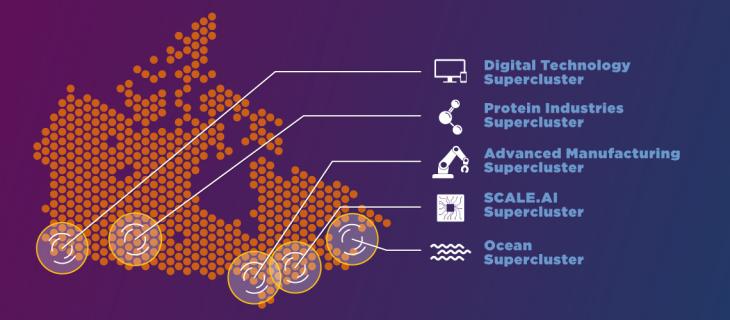


Events For Leaders in
Science, Tech, Innovation, and Policy
Discuss and learn from those in the know at our virtual and in-person events.
See Upcoming Events
You have 0 free articles remaining.
Don't miss out - start your free trial today.
Start your FREE trial Already a member? Log in
By using this website, you agree to our use of cookies. We use cookies to provide you with a great experience and to help our website run effectively in accordance with our Privacy Policy and Terms of Service.